
If you’re looking for an unforgettable post-school adventure, few destinations can match Japan. From untouched powder and traditional villages to vibrant ski towns and world-class resorts, Dash Osborn discovers why a Japanese winter should be high on every young traveller’s bucket list.
For many Australians, Bali has long been the default schoolies destination, but Japan deserves to be right at the top of the list when planning a post-school adventure. The timing works perfectly too; you can enjoy the classic Bali schoolies experience straight after finishing Year 12 before heading to Japan a month later, just as the country’s famous powder season reaches its peak. Whether you’re a group of young travellers chasing adventure or a family with a Year 12 graduate looking for an unforgettable winter holiday, Japan offers a safe, accessible and incredibly rewarding experience, with excellent public transport, epic resorts and the peace of mind that comes with comprehensive travel insurance and well-developed tourism infrastructure.
Fukushima and Aizu: A Different Side of Japan
Our trip started in Fukushima, specifically the Aizu region, and it ended up being one of the biggest surprises of the entire trip.
Unlike some of Japan’s more famous ski destinations, there were barely any Western tourists around. It felt like we had stumbled across a hidden corner of Japan where skiing and snowboarding remained largely untouched by international crowds.
The first thing that stood out was the snow. What made Aizu so unique was the feeling of discovery. There were no lift lines, no crowds rushing for first tracks and no competition for fresh snow. It felt like the mountain belonged to the people riding it that day.
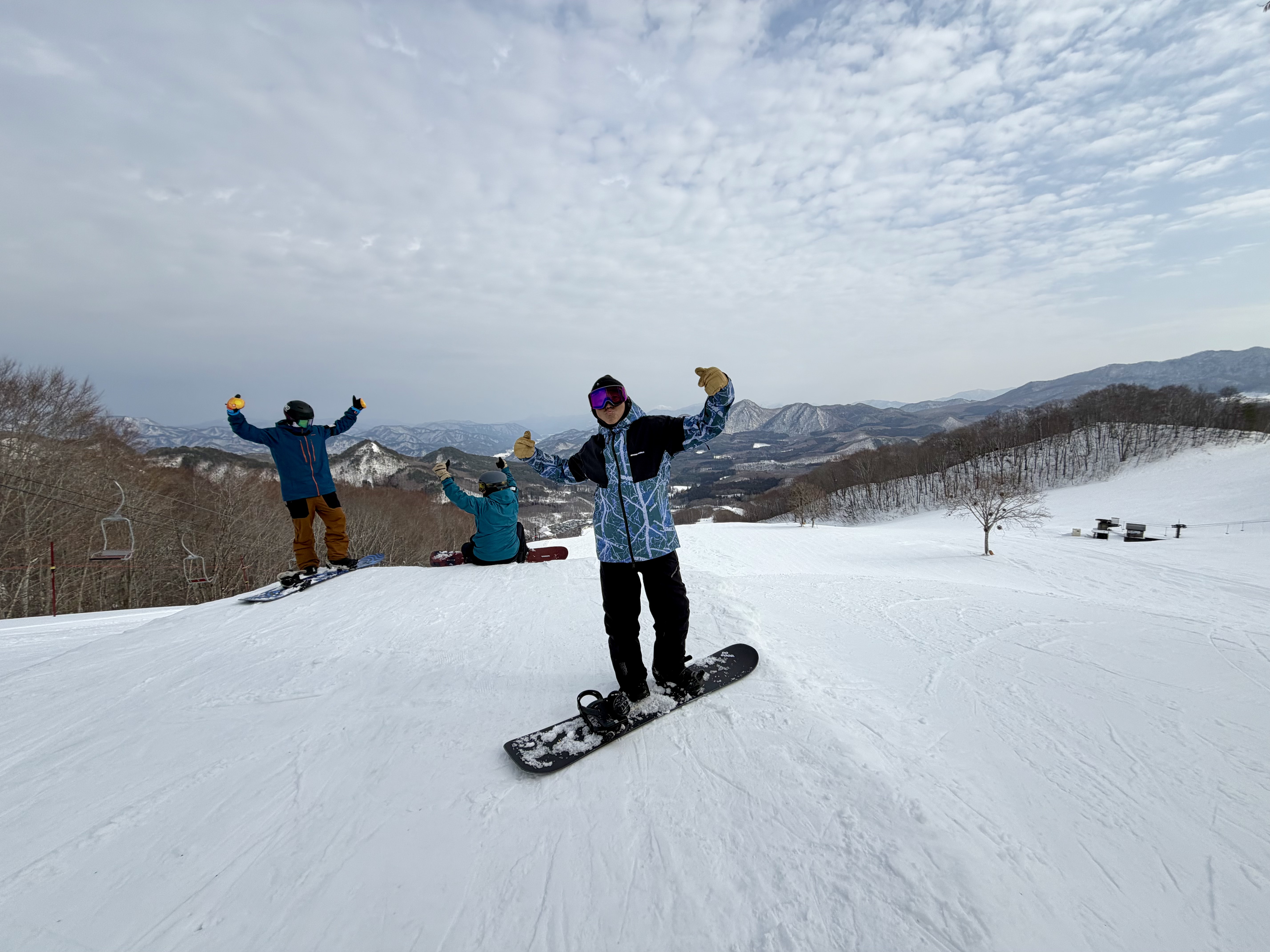
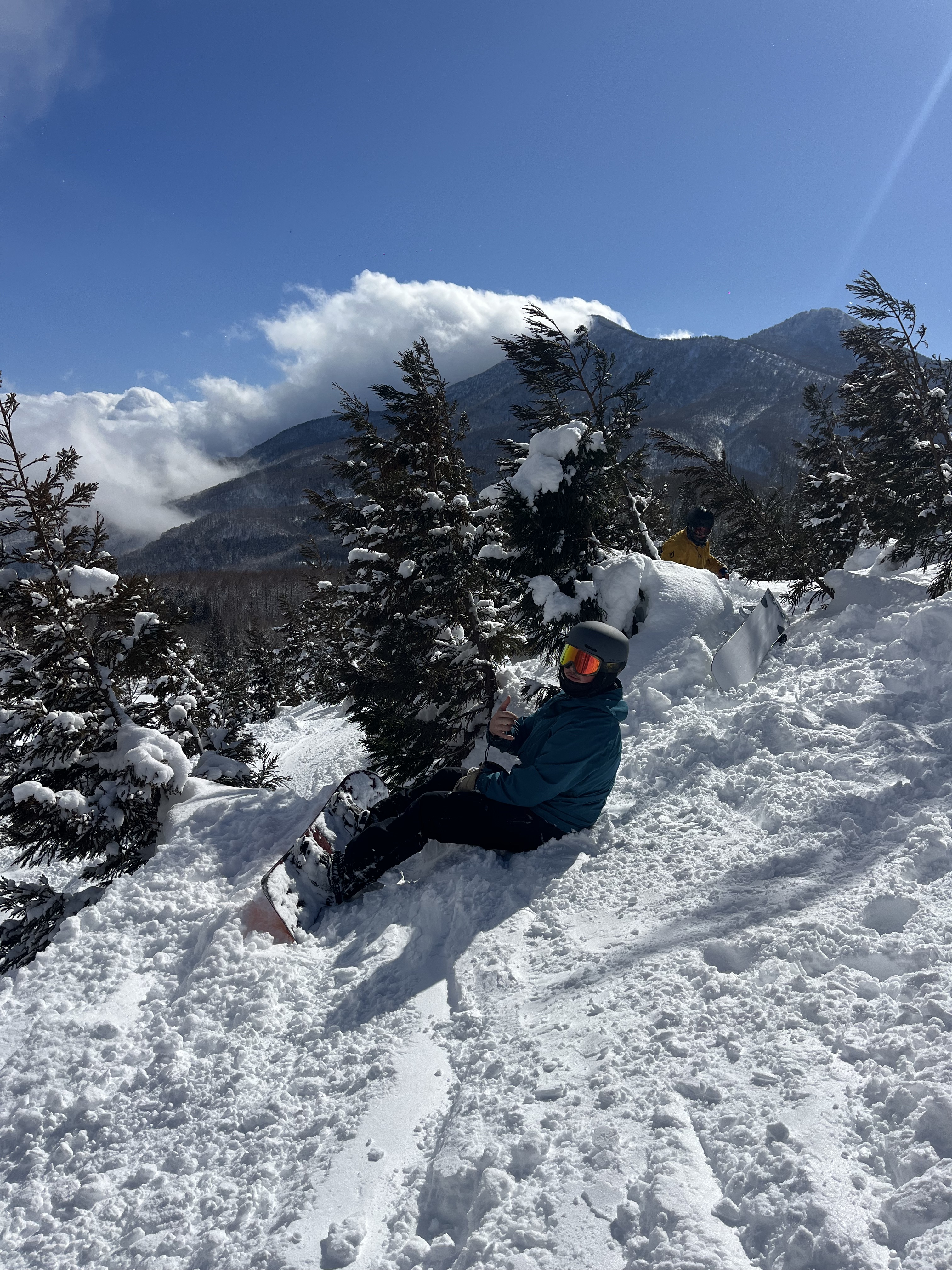
We spent hours weaving through perfectly spaced trees, finding untouched sections of powder just off the side of groomed runs, linking together powder turns and finding fun banks to hit.
The snow itself was incredibly fun, but it was the atmosphere that made the experience unforgettable. Riding powder all morning before wandering through traditional Japanese towns in the afternoon felt like experiencing two completely different sides of Japan in a single day.
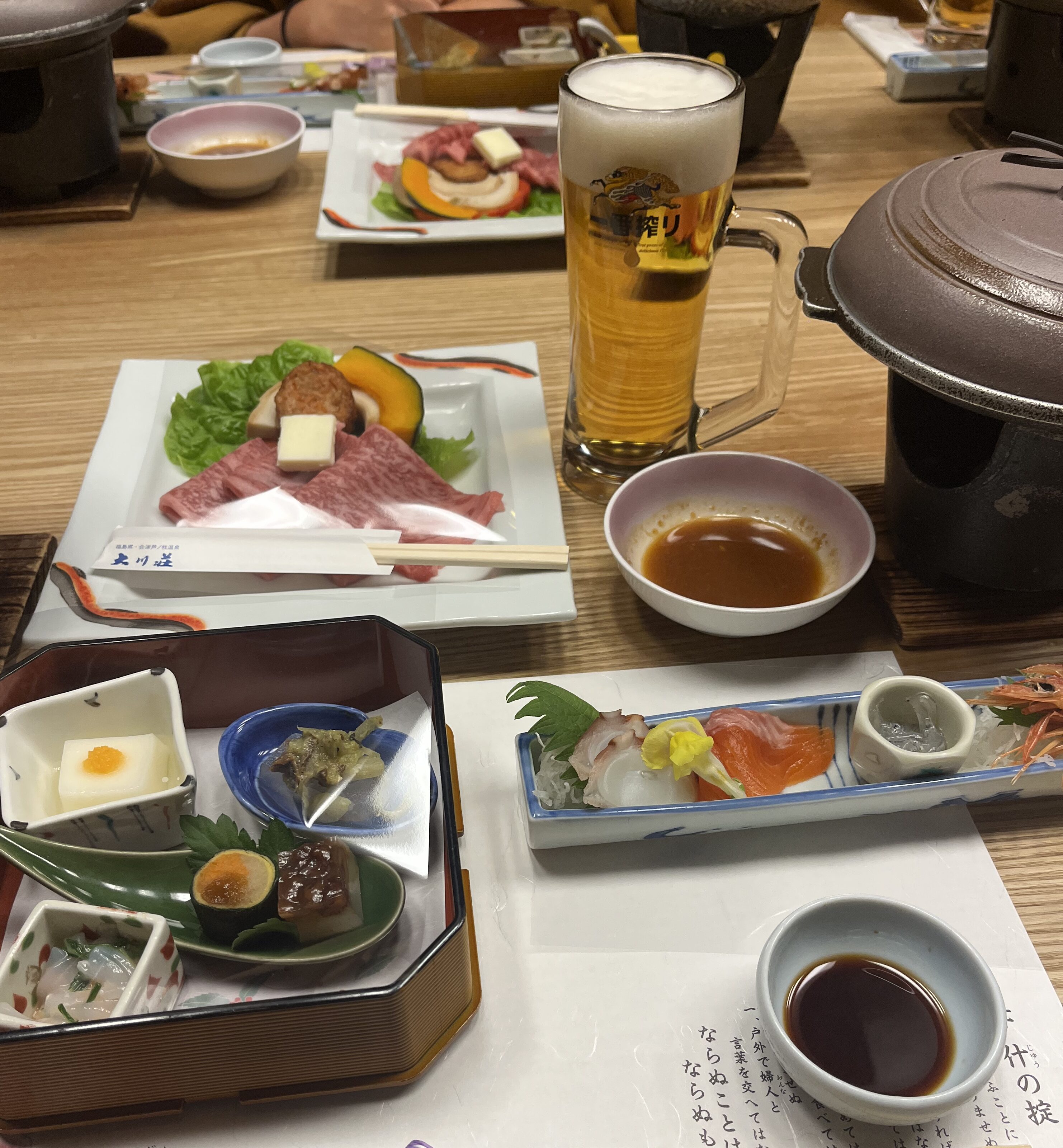
We also got to explore the local area, eat traditional Japanese food and soak up a culture that felt a world away from Australia. It was authentic, relaxed and unlike anywhere else we visited during the trip.
For anyone looking to experience both incredible snow and traditional Japanese culture, Aizu might just be one of Japan’s best-kept secrets.
How did we get there and travel around?
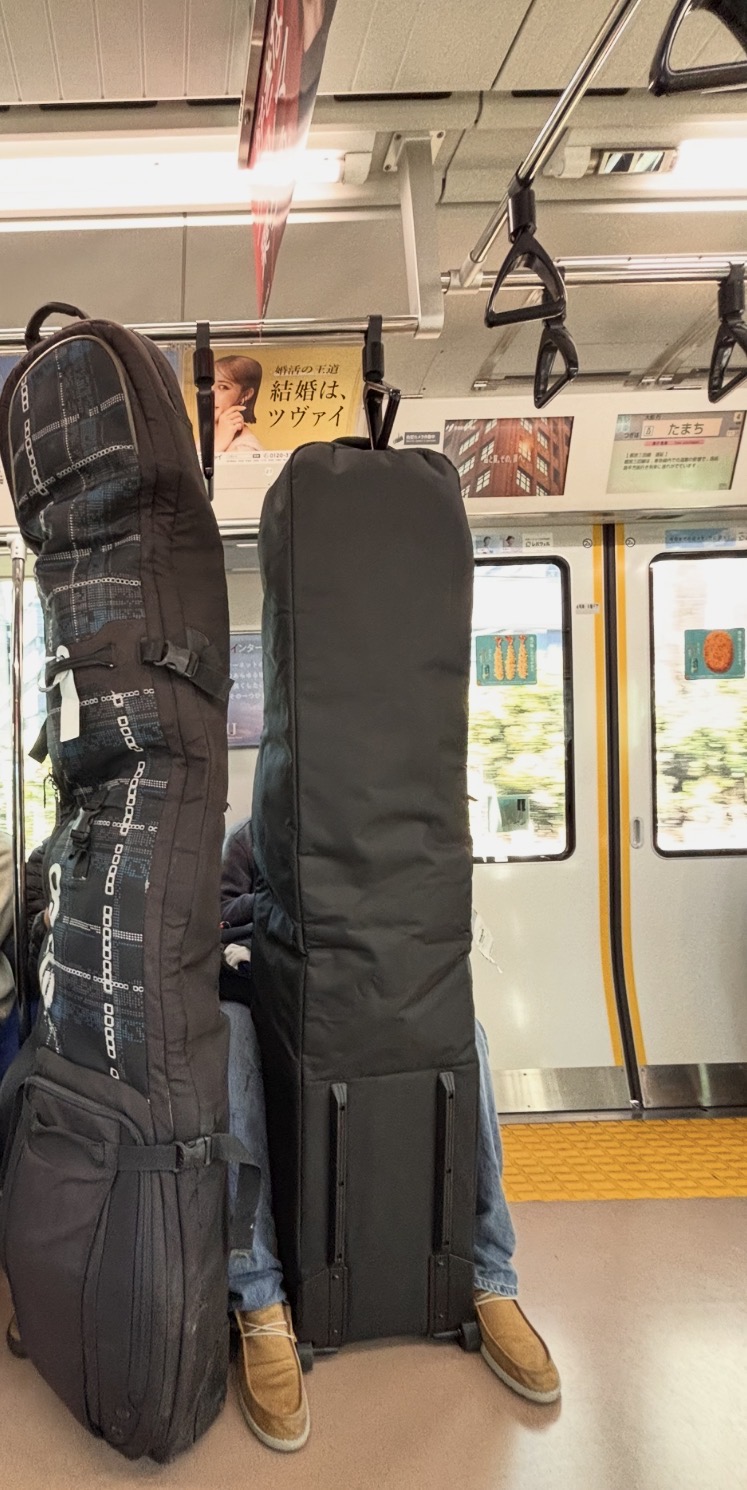
Our trip started in Fukushima, specifically the Aizu region, and getting there was surprisingly easy. After flying from Sydney to Tokyo with ANA, we spent two nights exploring the city and staying in Ueno before heading north. One of the best decisions we made was sending our ski and snowboard bags directly from Haneda Airport to our accommodation in Aizu using Japan’s luggage forwarding service. It meant we could explore Tokyo and catch the Shinkansen without dragging bulky ski gear through train stations.
From Ueno Station, we boarded the JR Shinkansen to Koriyama, a smooth 1 hour and 15-minute journey into Fukushima.
A Hire Van – Ticket to Freedom!
Before leaving Australia, I organised an international drivers licence to hire a van in Koriyama. You must have an international drivers licence, you cannot just show your Australian licence. The Toyota HiAce van comes equipped with snow tyres, 4WD and will seat 6 people. Expect to pay around 16,500 yen per day, which is currently around $150 per day. Our van was fitted with ETC – the electronic toll collection as well, so we could drive directly through tolling booths. We hired our van through Toyota Rent a Car.
Having a vehicle completely changed the experience. Instead of being locked into one resort, we were able to road trip through the Aizu region, visiting different ski areas, traditional towns and hidden corners of Fukushima that many international visitors never get to see. Driving through snow-covered villages, mountain roads and quiet countryside became just as memorable as the riding itself.

Black Cat – Hassle Free travel
As we spent two nights in Tokyo, before heading out to Aizu, we directly transferred our skis and snowboards from Haneda Airport to our first night of accommodation in Aizu. For 4 large bags, it was around $180 Australian to be delivered. It allowed us to navigate Tokyo metro and the Shinkansen without our bulky snow luggage.
How we did it
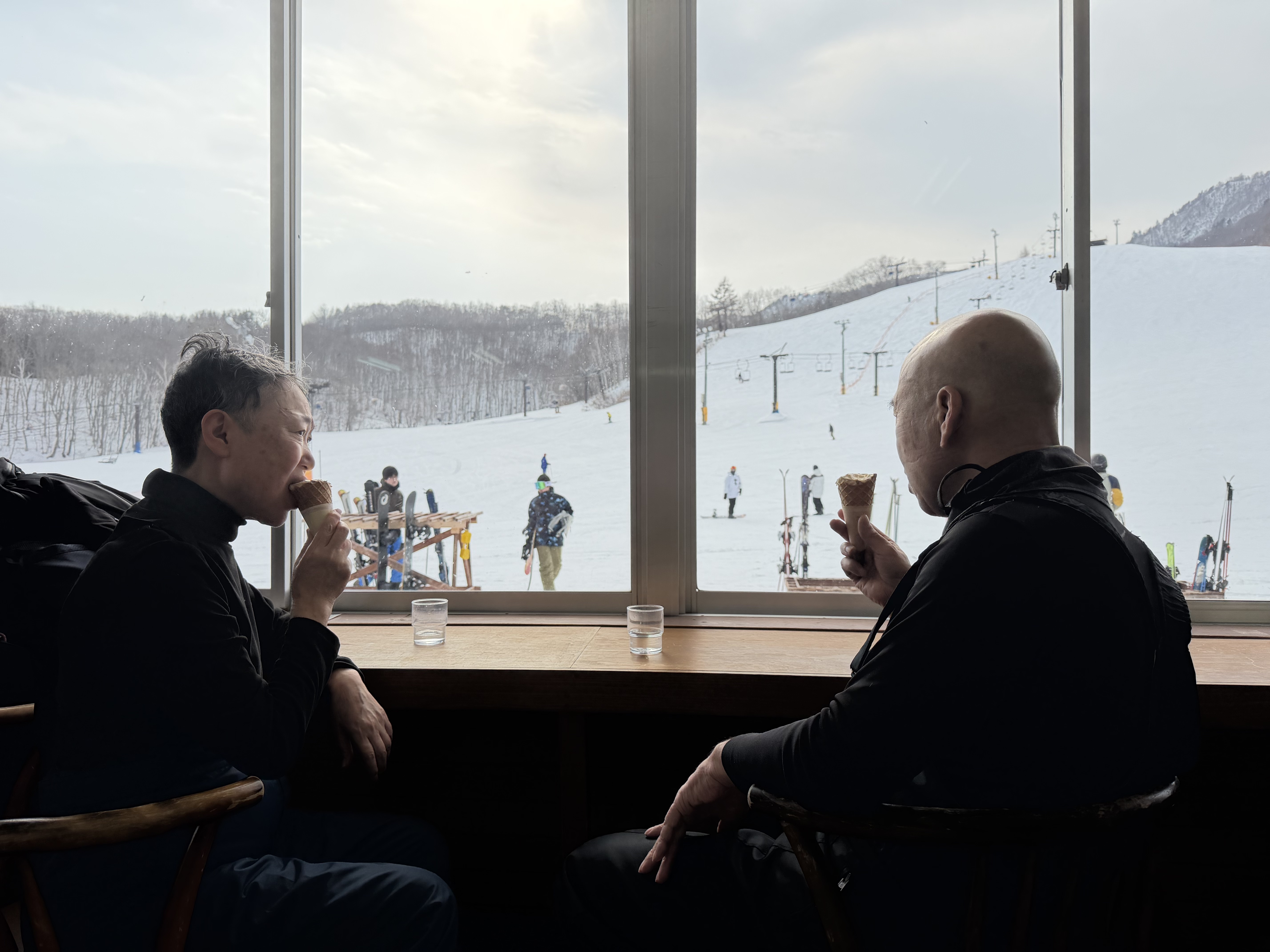
Over the course of our stay, we based ourselves in a few different parts of Aizu, each offering something unique. We spent time around Inawashiro and rode at En Resort Grandeco, a smaller resort with fantastic snow, playful terrain and a relaxed local atmosphere. One of the highlights was watching locals ski with their dogs, complete with snow goggles, cruising down the lower slopes.
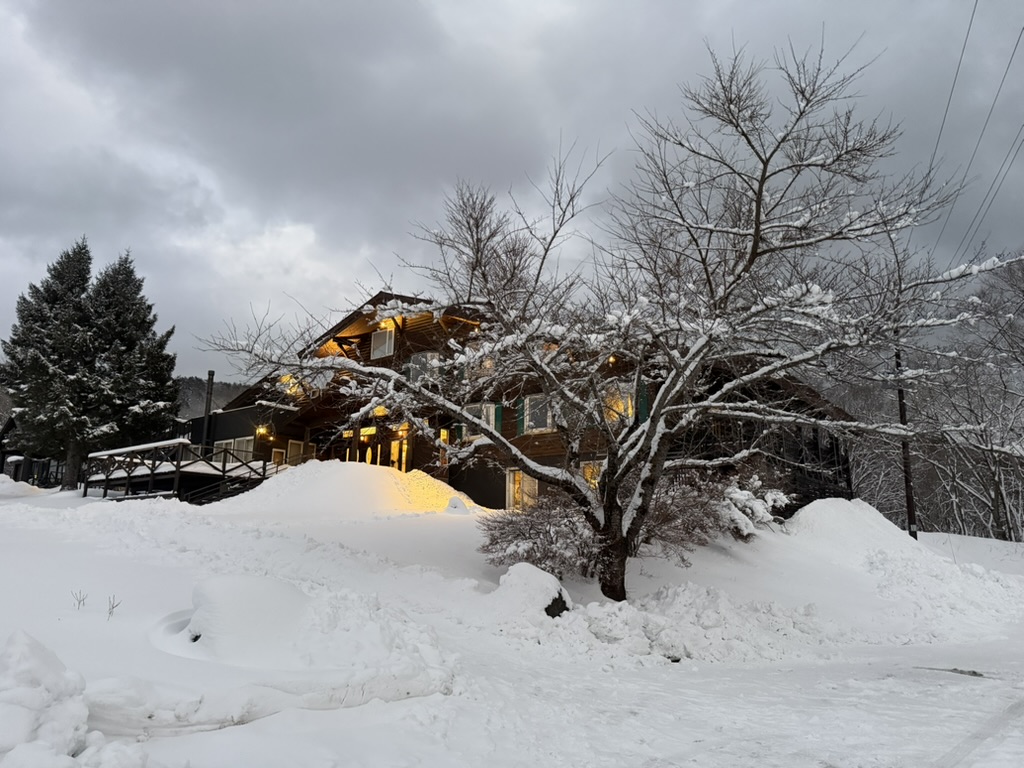
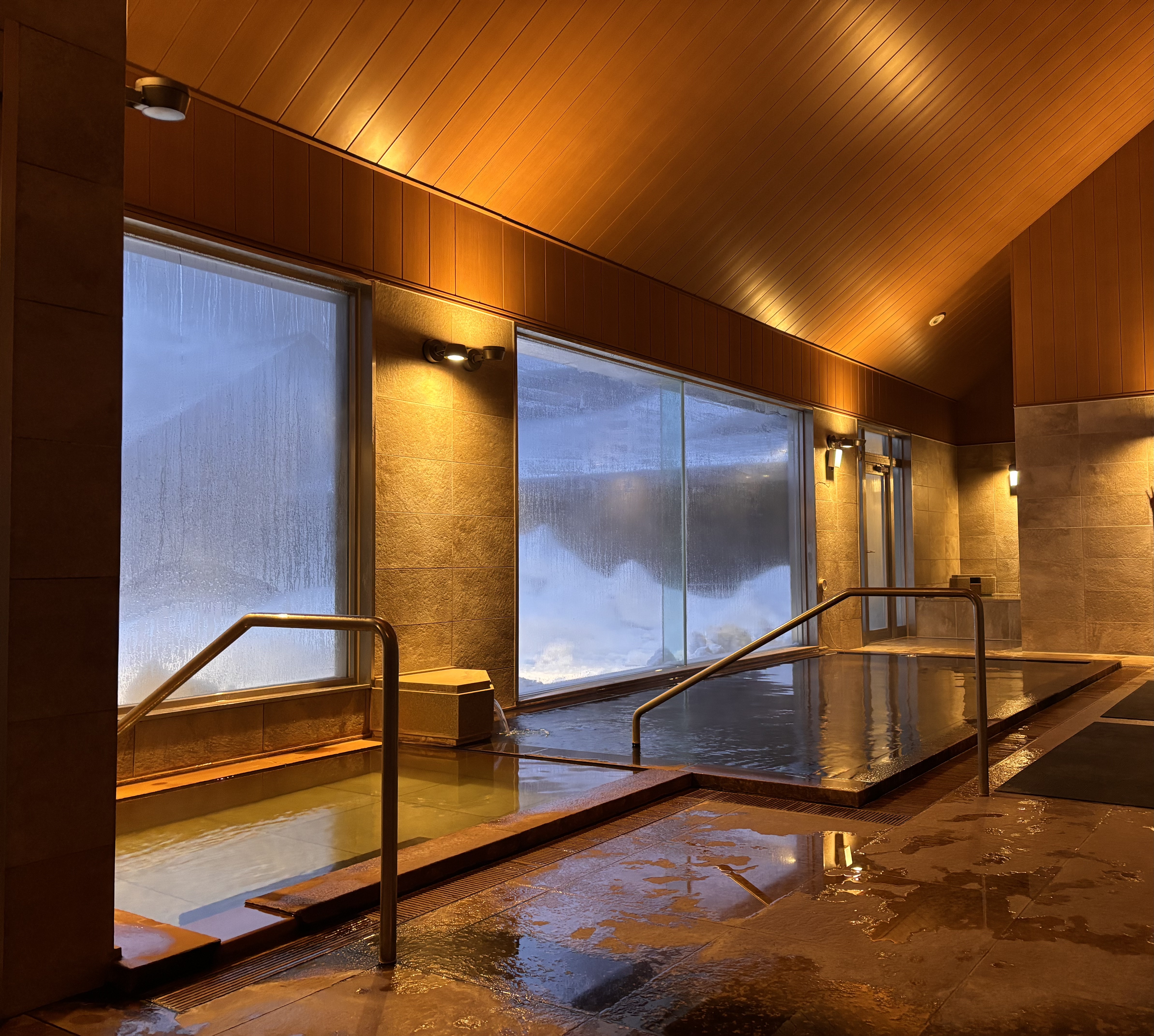
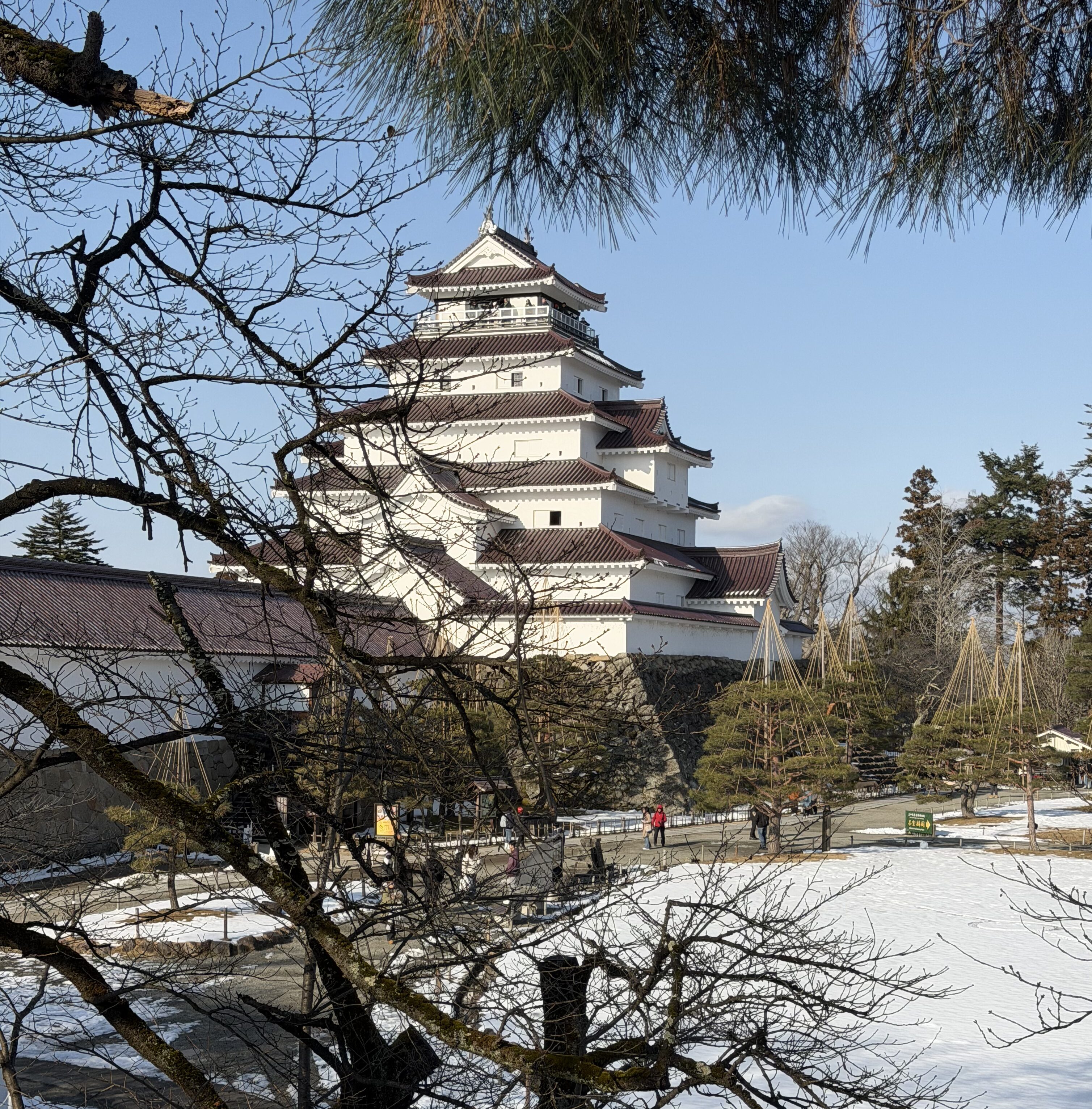
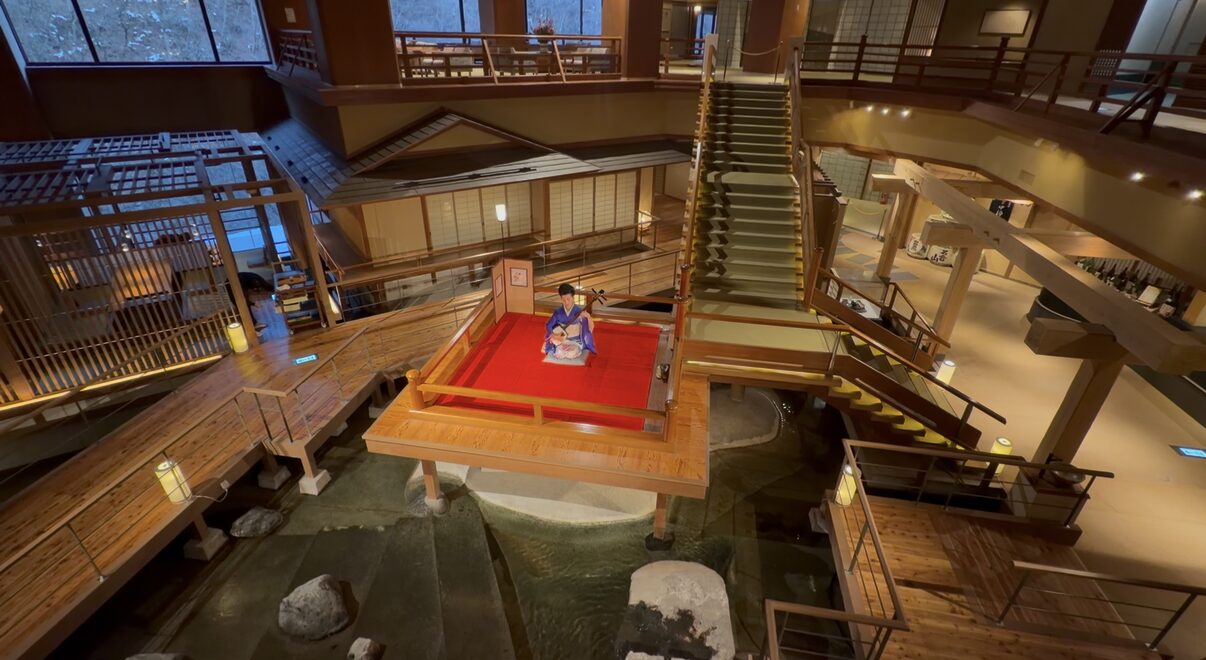
We also stayed in Aizuwakamatsu, often referred to as Japan’s Samurai City. Between ski days, we explored traditional streets, visited Tsuruga Castle and experienced a side of Japan that felt far removed from the busy cities. Another highlight was staying at Ookawaso, a stunning cliffside onsen overlooking the valley below. After long days on the mountain, soaking in the outdoor hot springs while looking across the snowy landscape felt like the perfect way to recover.
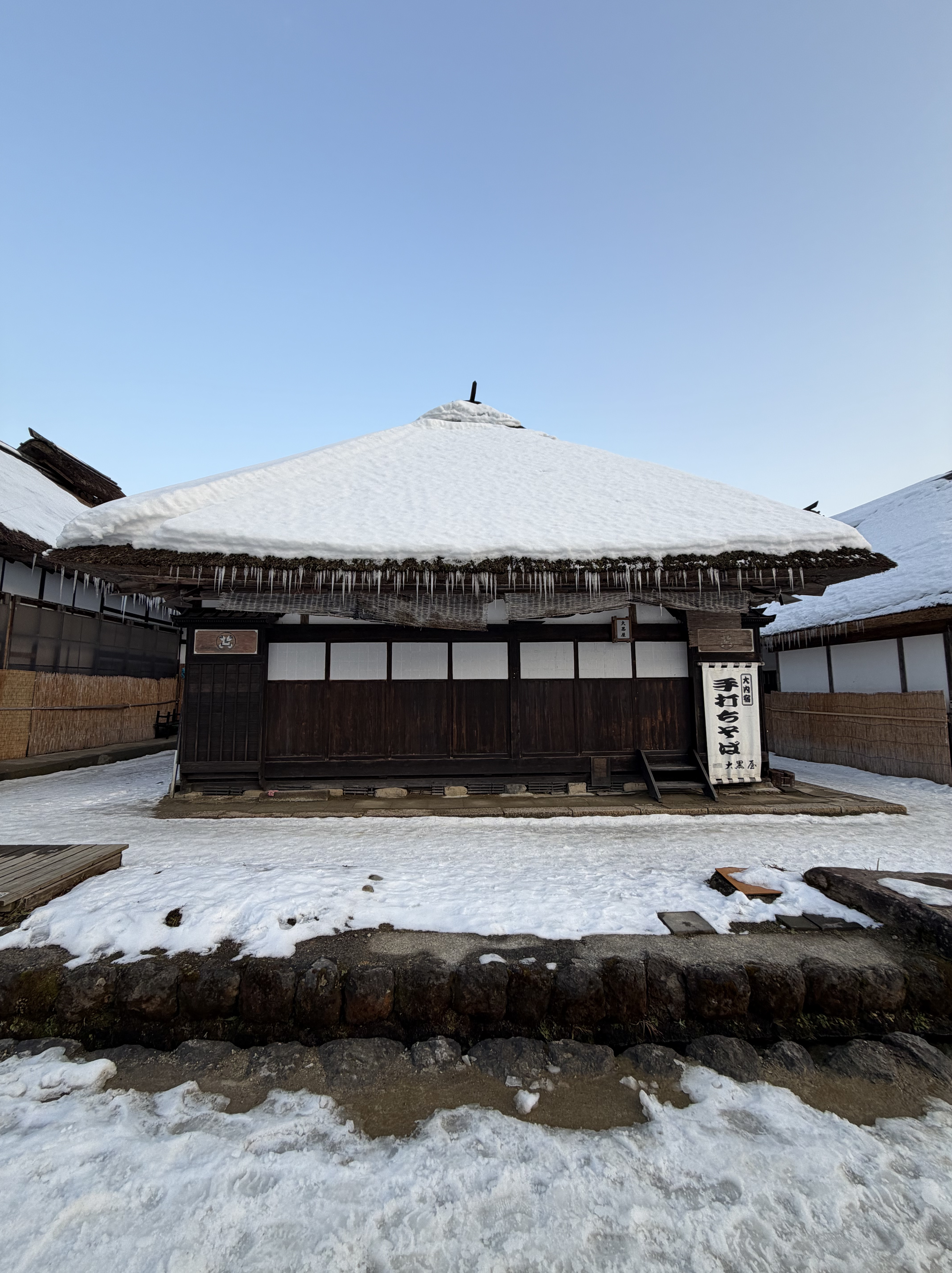
One of the most memorable stops was Ouchi-juku, a beautifully preserved post town lined with traditional thatched-roof buildings. Walking through the village felt like stepping back hundreds of years in time and offered a glimpse into Japan’s history that many visitors never get to experience.
Rusutsu:
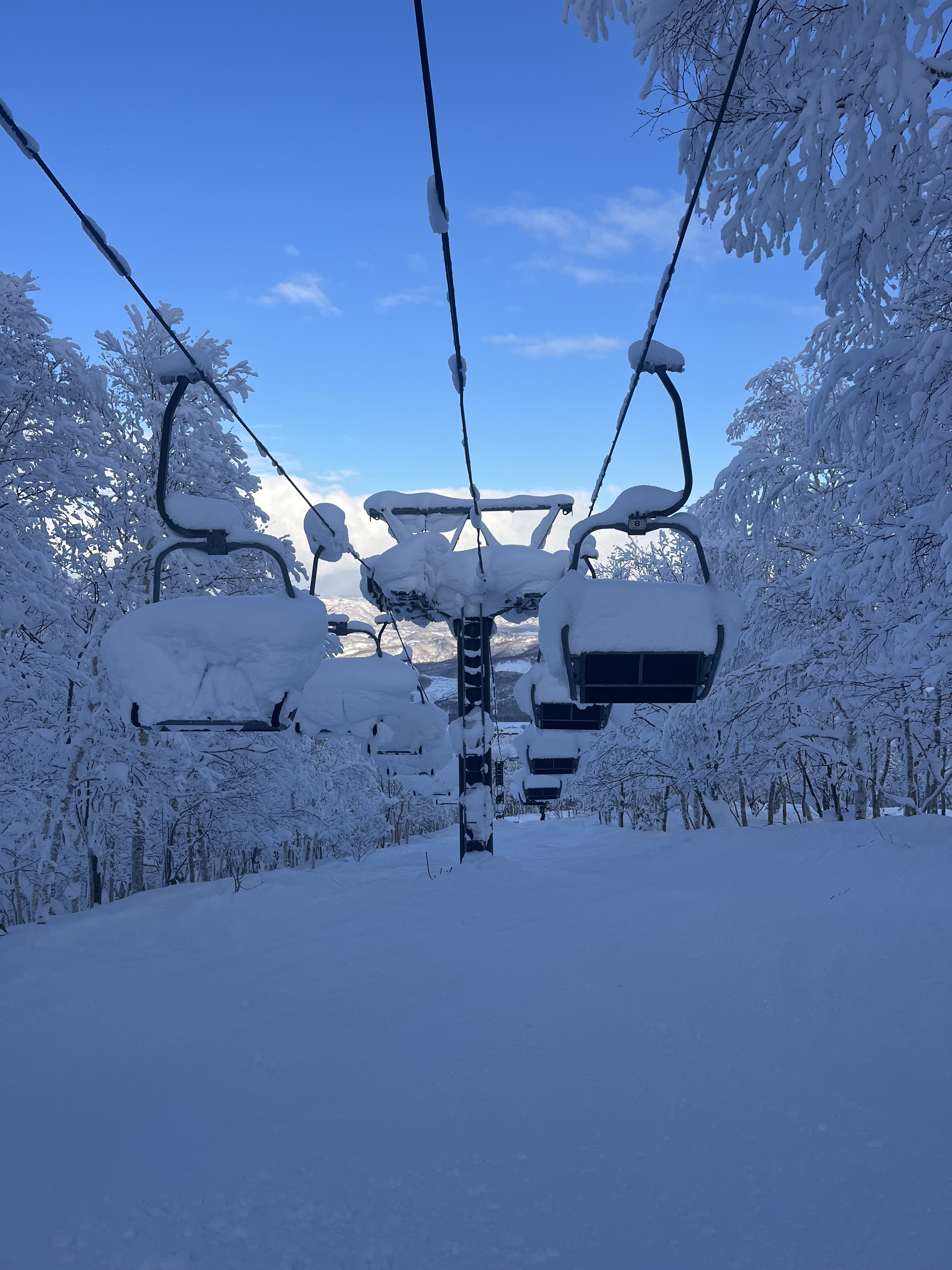
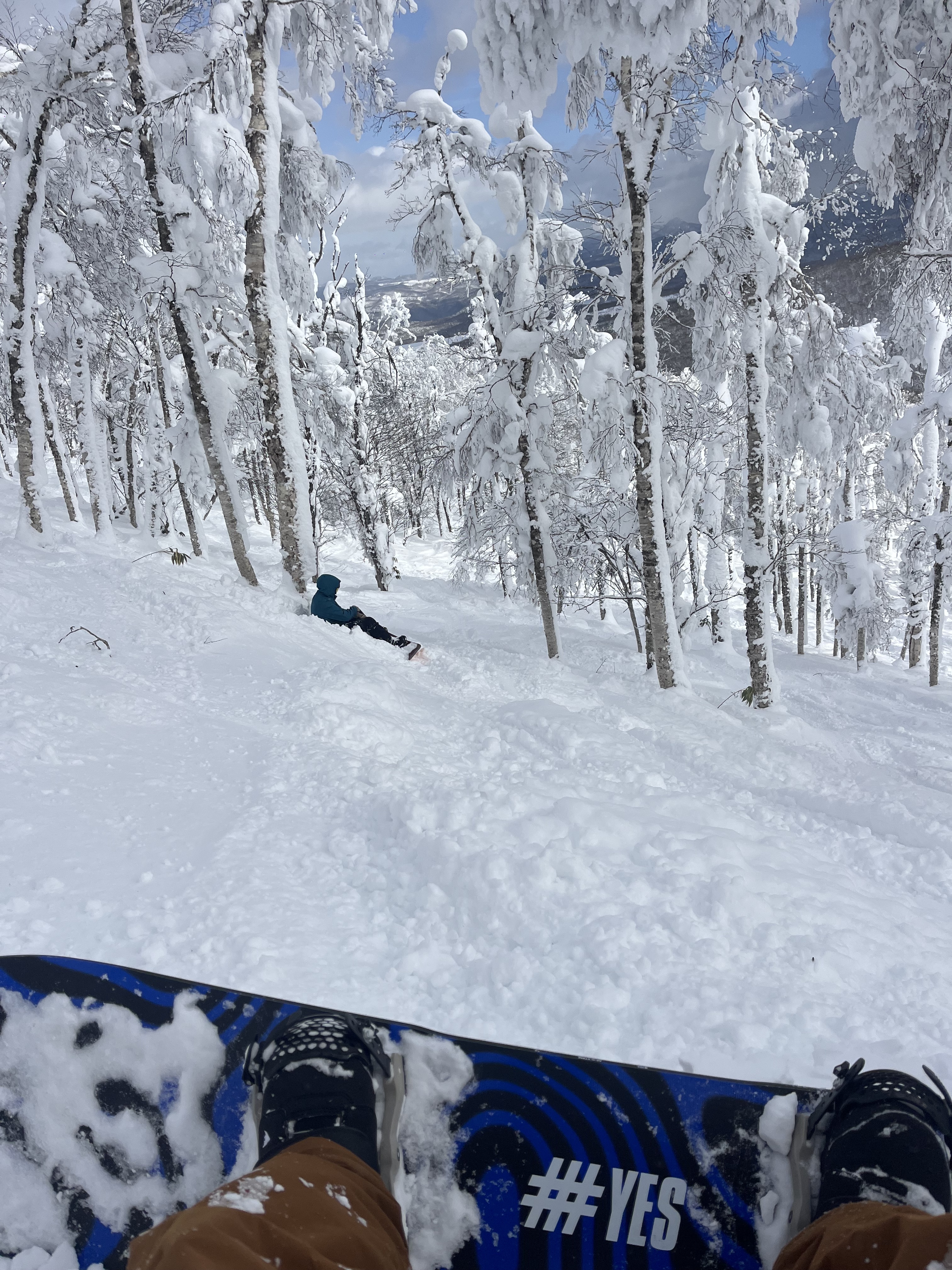
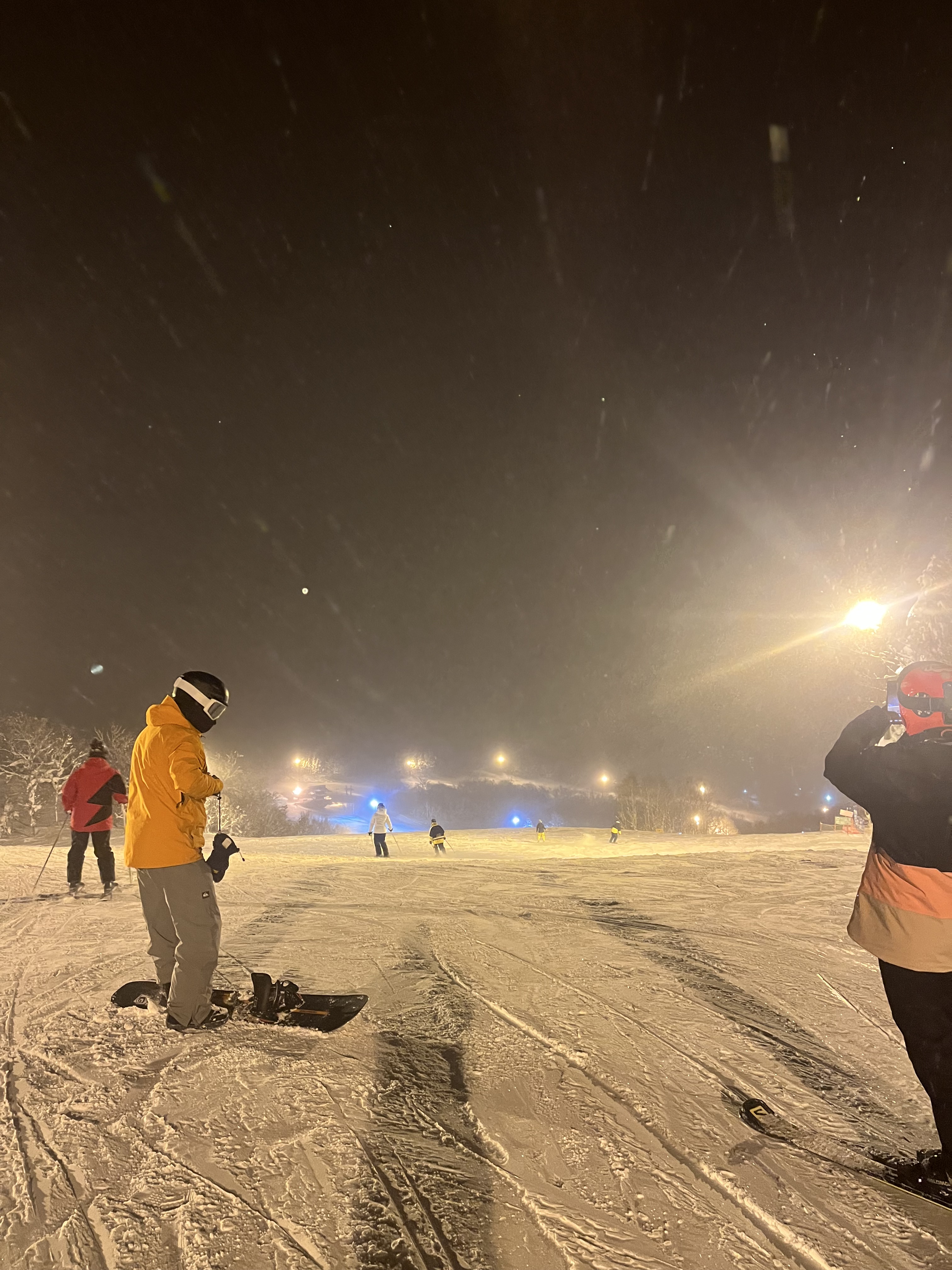
From Fukushima, we made our way north to Rusutsu. The conditions were unbelievable. Every morning seemed to bring fresh snow, and every day delivered some of the deepest powder we had ever ridden. The tree skiing was what really stood out.
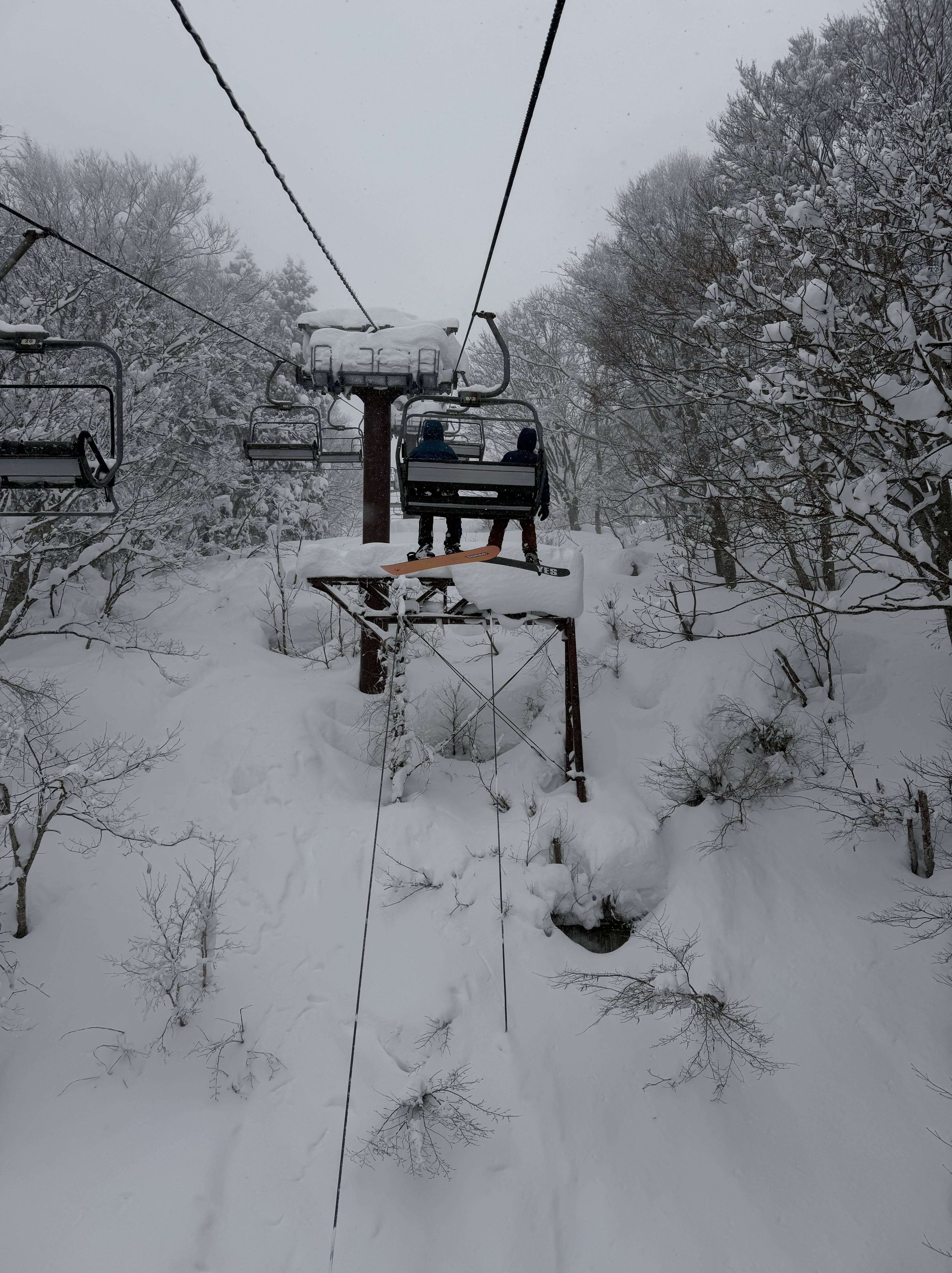
Rusutsu’s layout is unlike anywhere else. The mountain seems perfectly designed for powder laps, allowing riders to duck through trees from almost every section before naturally flowing back to the bottom of the next chairlift. Fresh tracks, deep powder and perfectly spaced trees meant entire days disappeared in a blur of face shots and powder turns. The snow just kept coming. By the end of the trip, Rusutsu had set a benchmark that will be difficult to beat.
How we did it:
Before arriving in Rusutsu, we made a quick stop in Sapporo, flying north from Tokyo into Hokkaido. We stayed in the Susukino district at FAV LUX Sapporo Susukino, a modern hotel right in the heart of the city. The hotel was easy to reach from the airport by train and provided the perfect base to explore Sapporo before heading into the mountains.
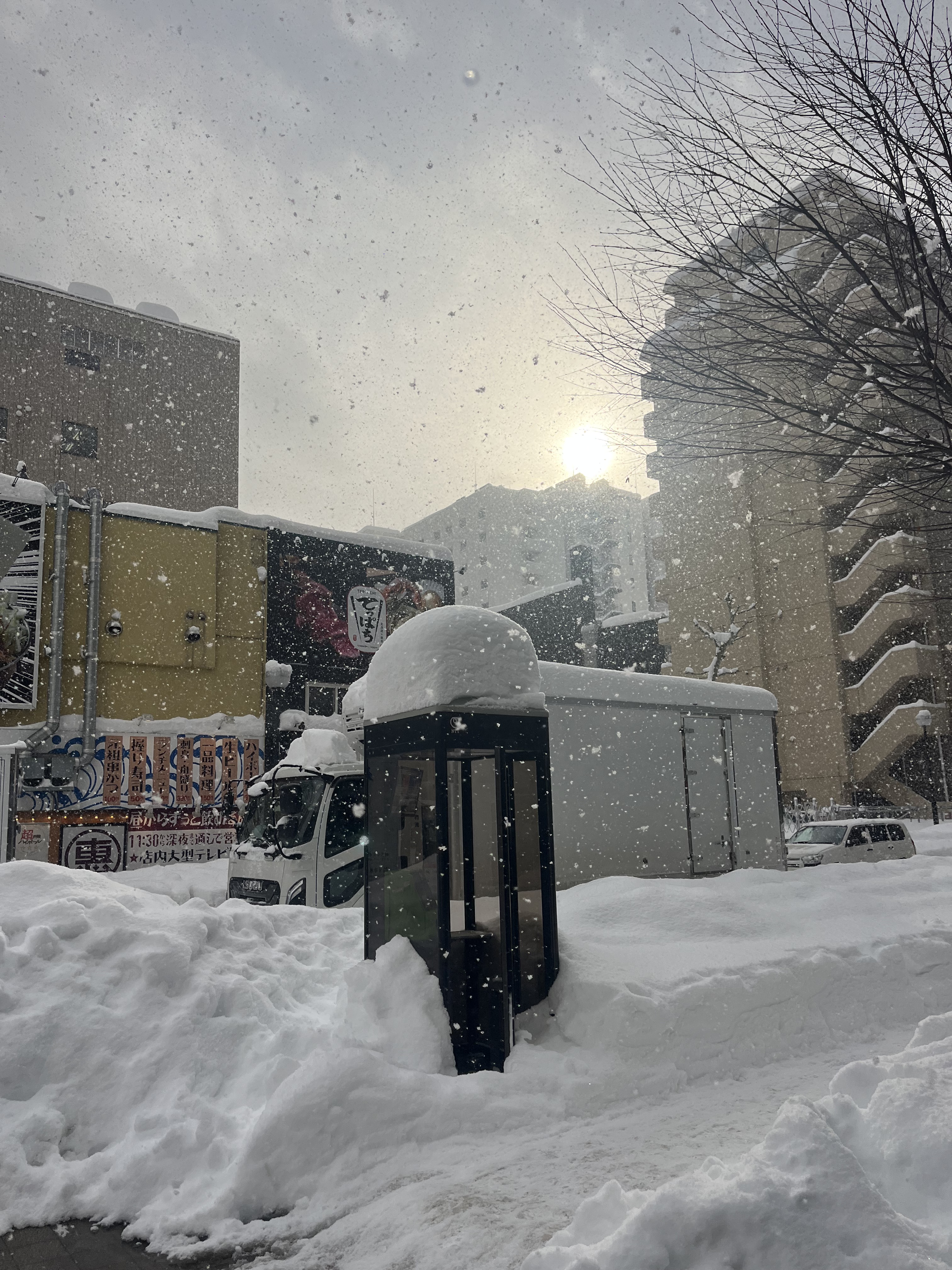
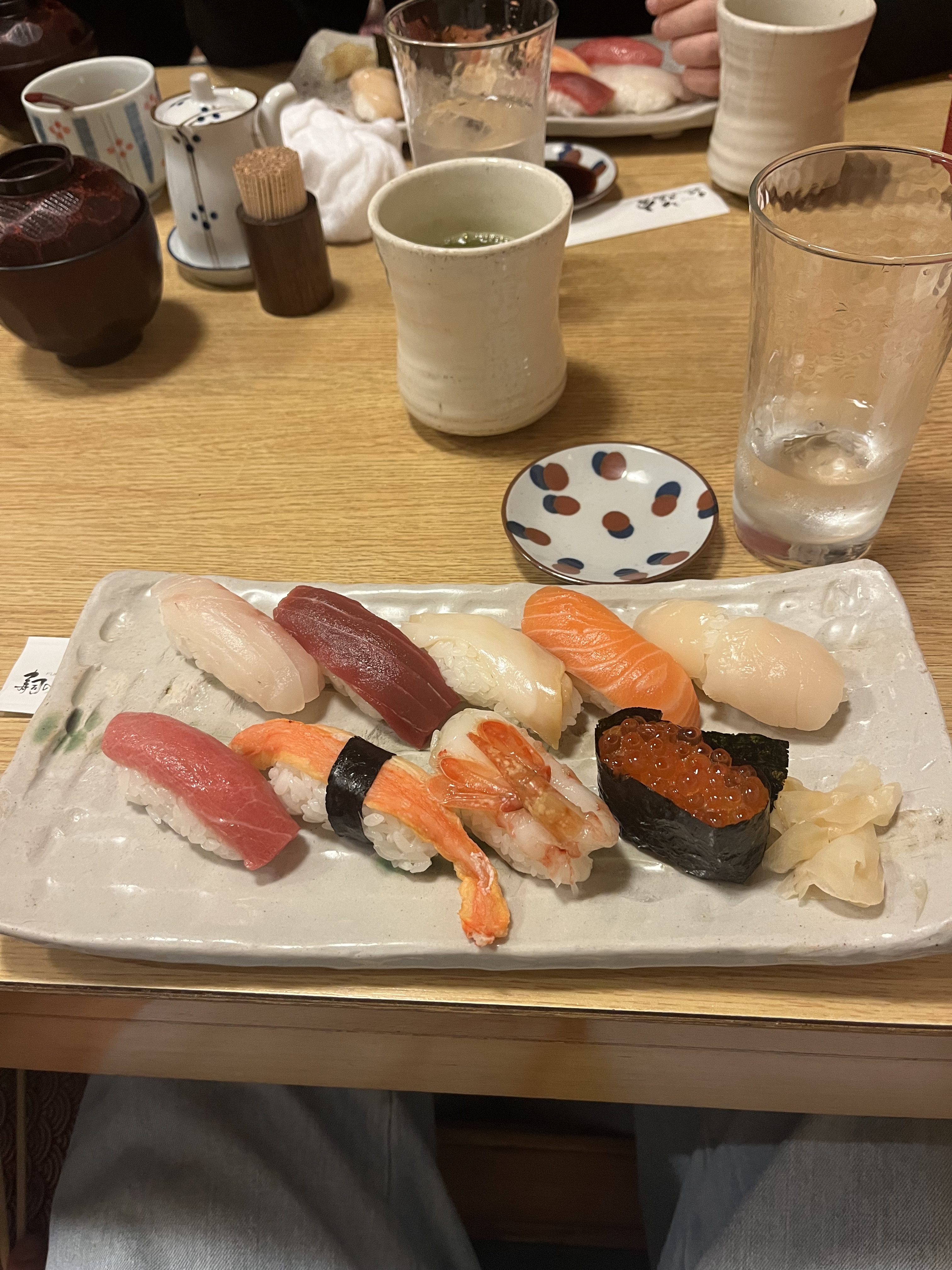
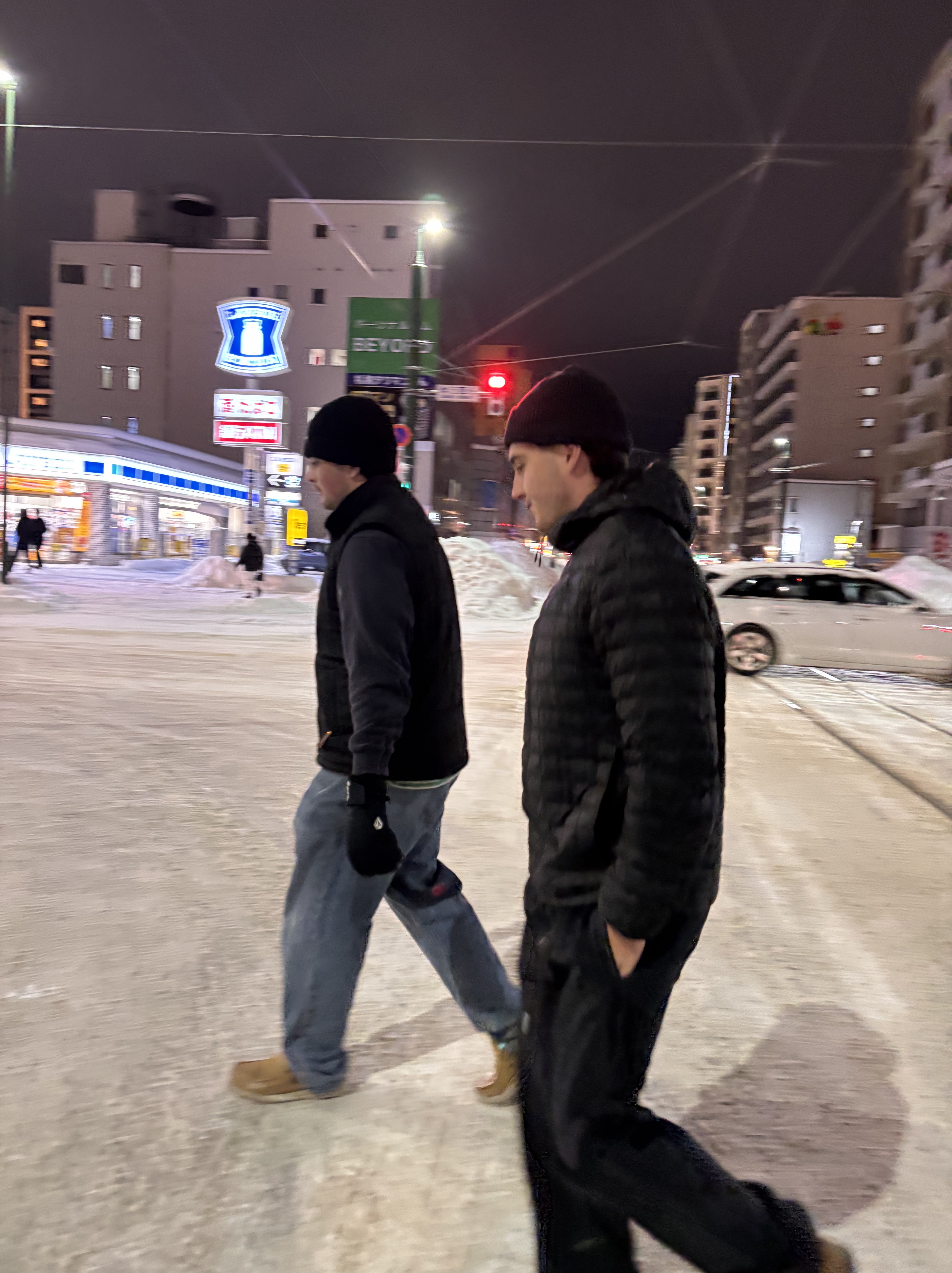
Stepping out into Sapporo felt completely different to Tokyo. Snow lined the streets, piled high on footpaths and rooftops, giving the city a true winter atmosphere. It felt like a city built around snow. We spent the afternoon wandering through the streets, taking in the winter scenery before finding a small underground restaurant beneath the city streets for dinner. It was a unique Japanese experience.
The following morning, we caught the free resort bus from Sapporo to Rusutsu. The drive was 2 hours through Hokkaido’s snow-covered countryside before arriving at Rusutsu Resort Hotel and Convention, where we stayed for our time at Rusutsu, which was ski-in, ski-out
Myoko:
The next stop was Myoko, where we met up with a group of mates. If Rusutsu delivered some of the best snow conditions we’d ever experienced, Myoko delivered some of the most fun. The days were spent chasing each other through tree runs, following the same lines through untouched powder and sharing fresh tracks from top to bottom.
There is something special about riding deep snow with a big group. One person finds a line, everyone follows, and suddenly an ordinary run becomes a memory that gets talked about for years. The Skate Bar. As memorable as the riding was, the afternoons became just as legendary.
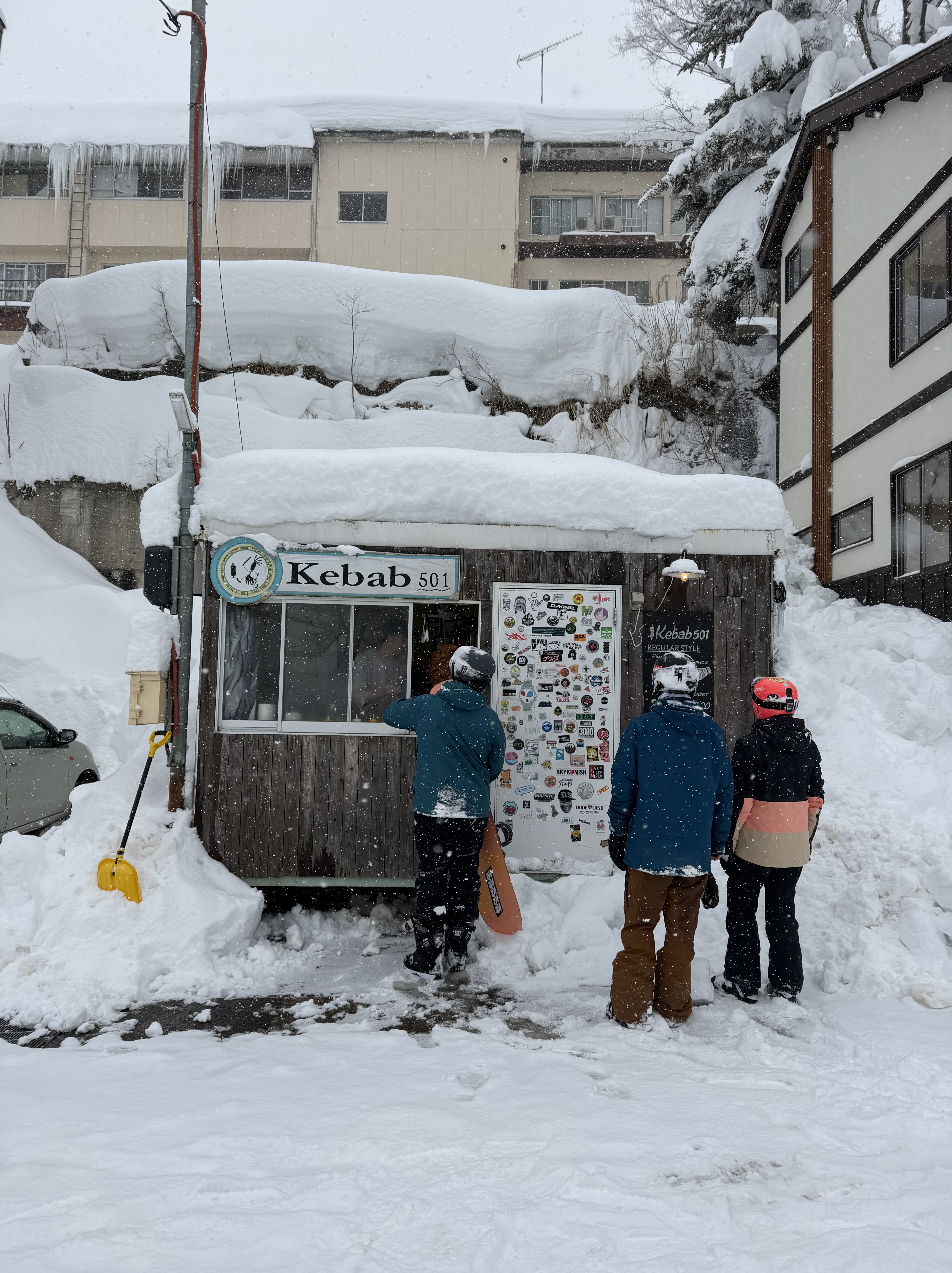
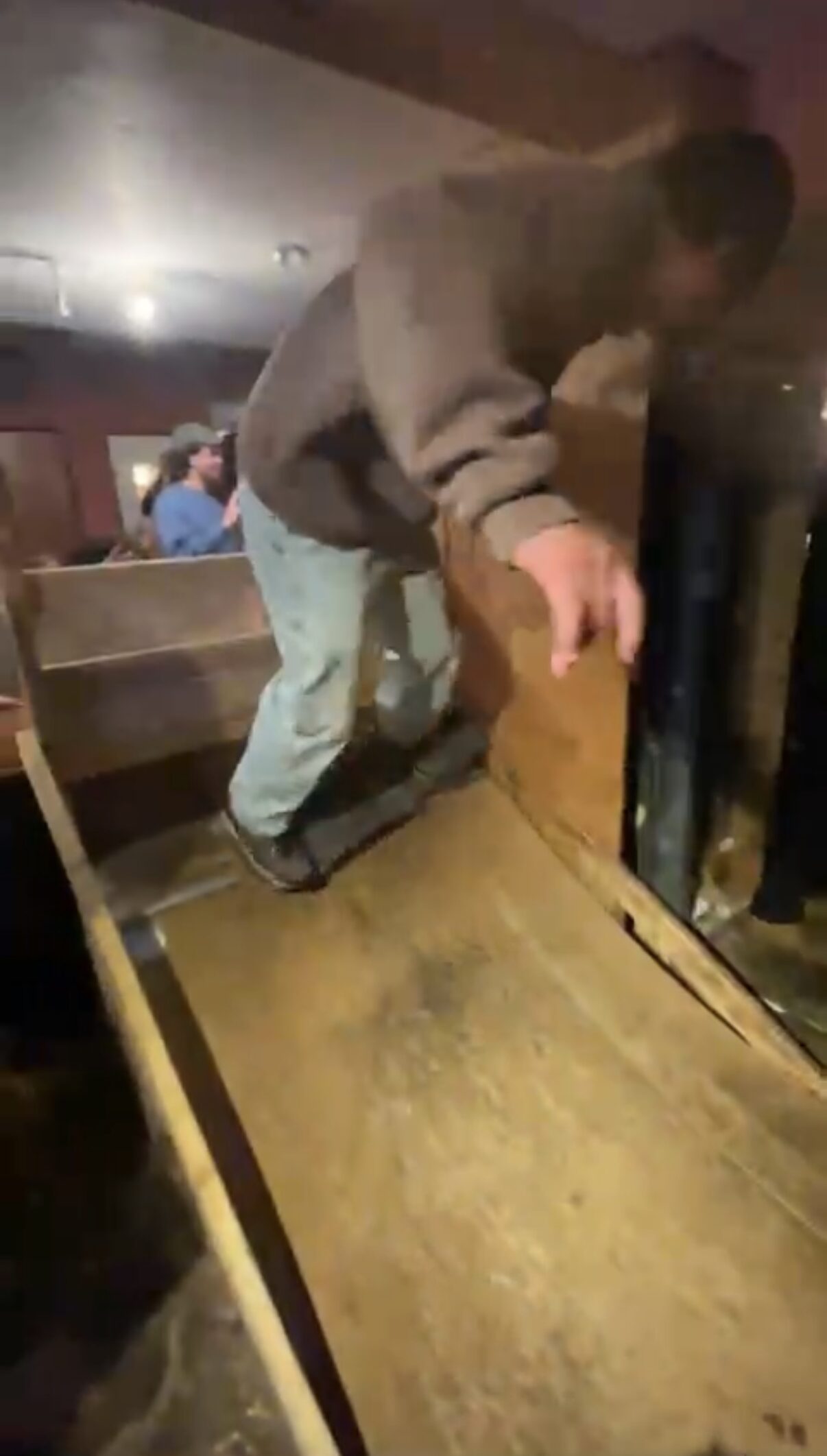
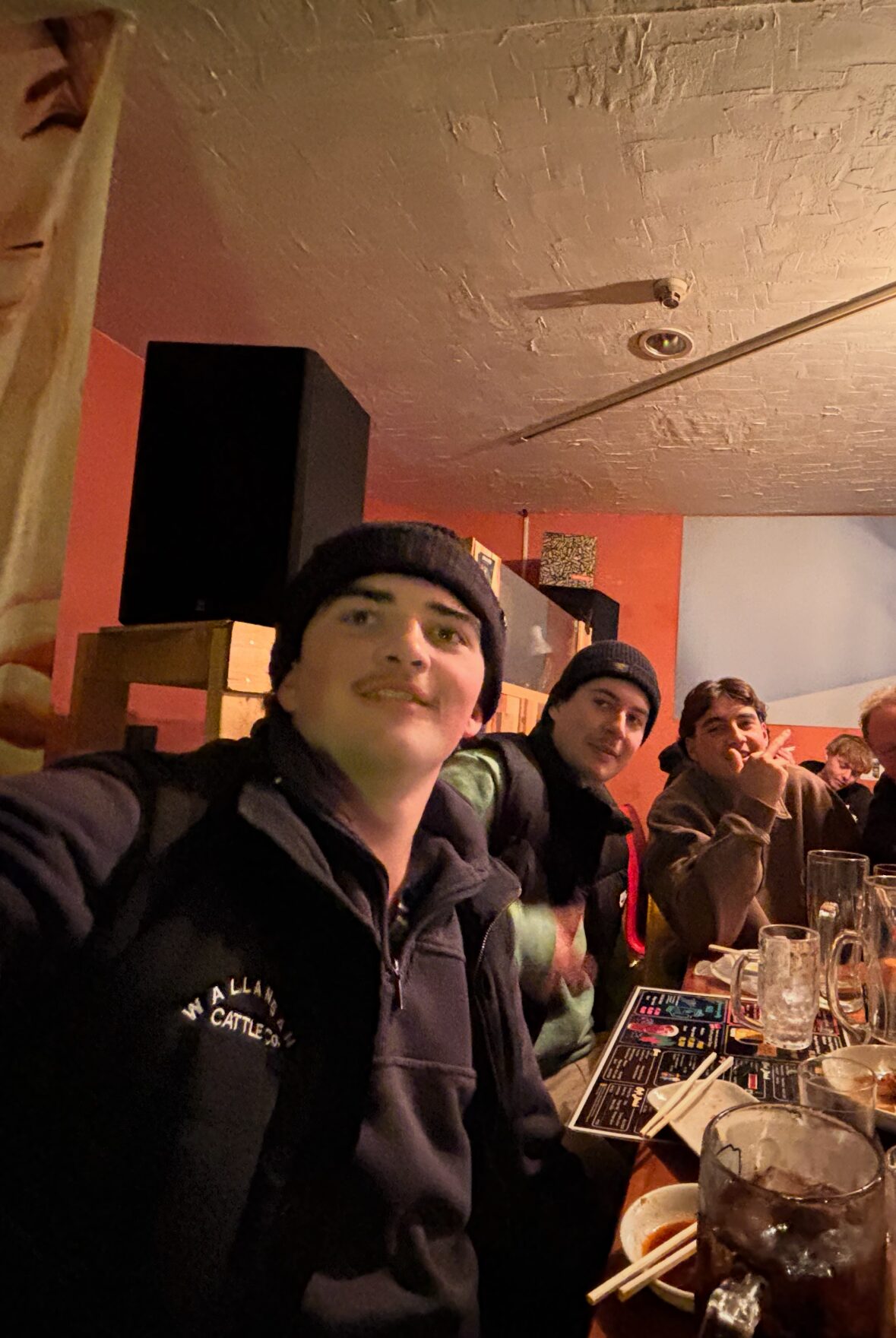
Almost every day finished at The Skate Bar. Part izakaya, part bar and somehow part skatepark, it quickly became everyone’s favourite place to unwind after the mountain.The combination of good food, post-ride drinks and a skate ramp in the building made absolutely no sense, yet somehow worked perfectly.It became the meeting point every afternoon, where stories from the mountain only seemed to get bigger as the evening went on.
How we did it
After four incredible days in Hokkaido, we flew back to Tokyo before continuing the trip to Myoko. From Tokyo, we boarded the Shinkansen and travelled into Niigata Prefecture, eventually arriving in one of Japan’s most famous powder destinations.
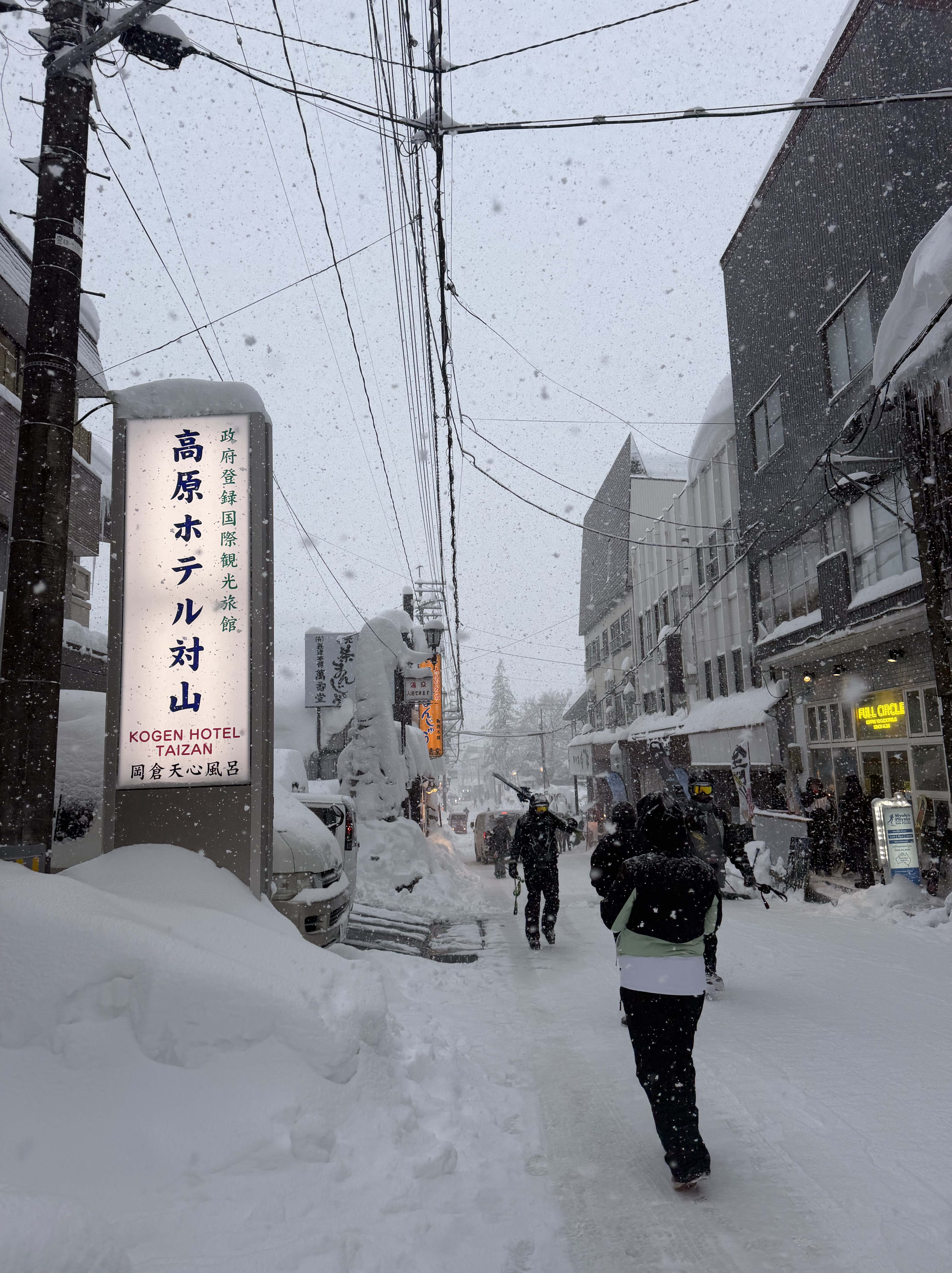
For the first part of our stay, we based ourselves in Akakura at Taizan and Akakura Onsen Hotel. The location couldn’t have been better. We were able to walk directly to both Akakura Onsen and Akakura Kanko ski resorts, while the village bus stop provided easy access to Ikenotaira Onsen and Myoko Suginohara as well as being immersed into the vibrant mountain town of Myokyo, where all the restaurants and pubs are mainly located.
One of the best parts about Myoko is the variety of terrain across its resorts. Each mountain offers something different. Akakura Onsen delivers a lively village atmosphere and fun terrain, Akakura Kanko provides incredible views and steep groomers, Ikenotaira offers wide-open runs and playful features, while Myoko Suginohara offers long runs and incredible powder runs. Having access to all four mountains allowed us to experience a different side of Myoko every day.
Seki Onsen
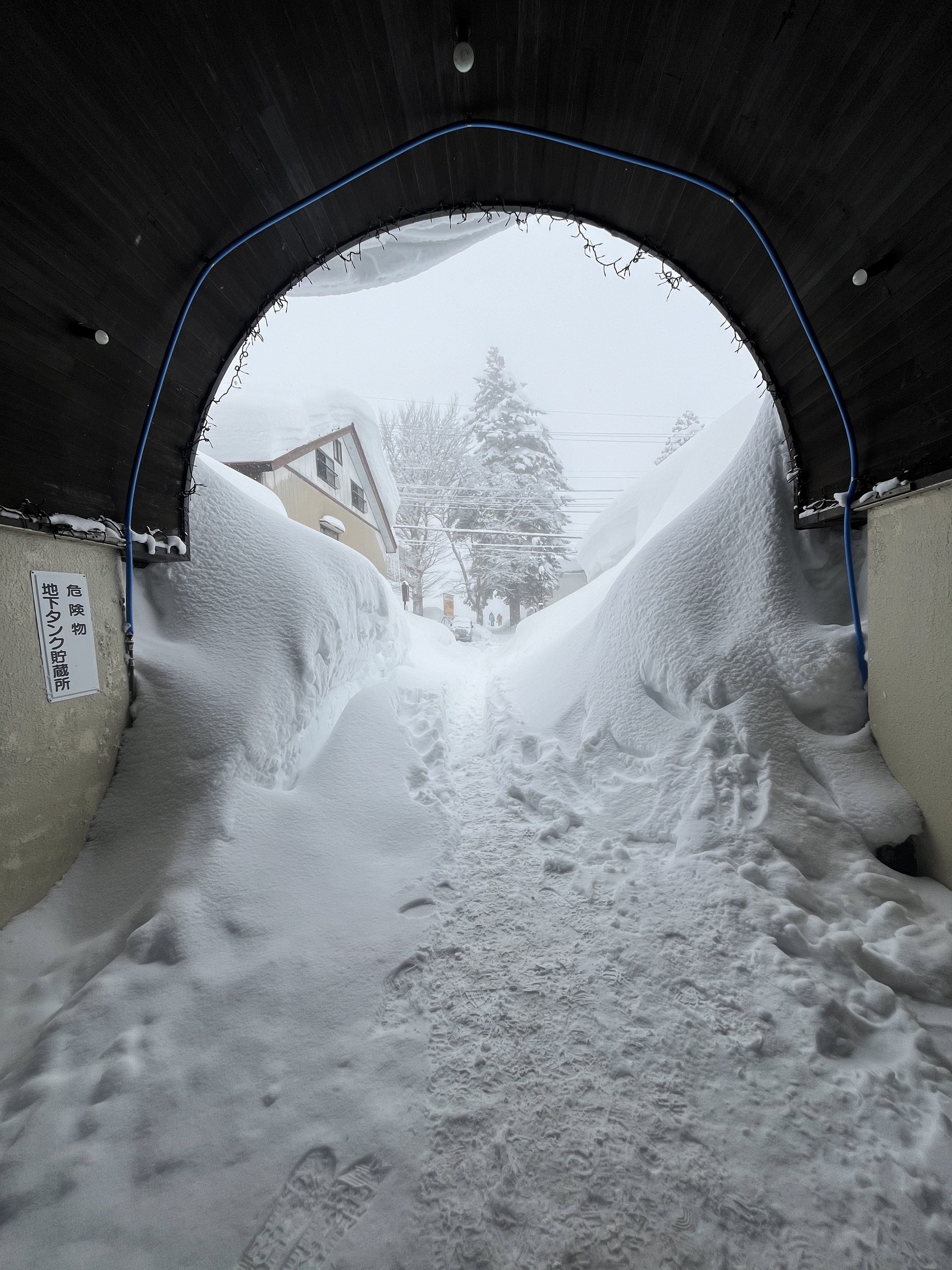
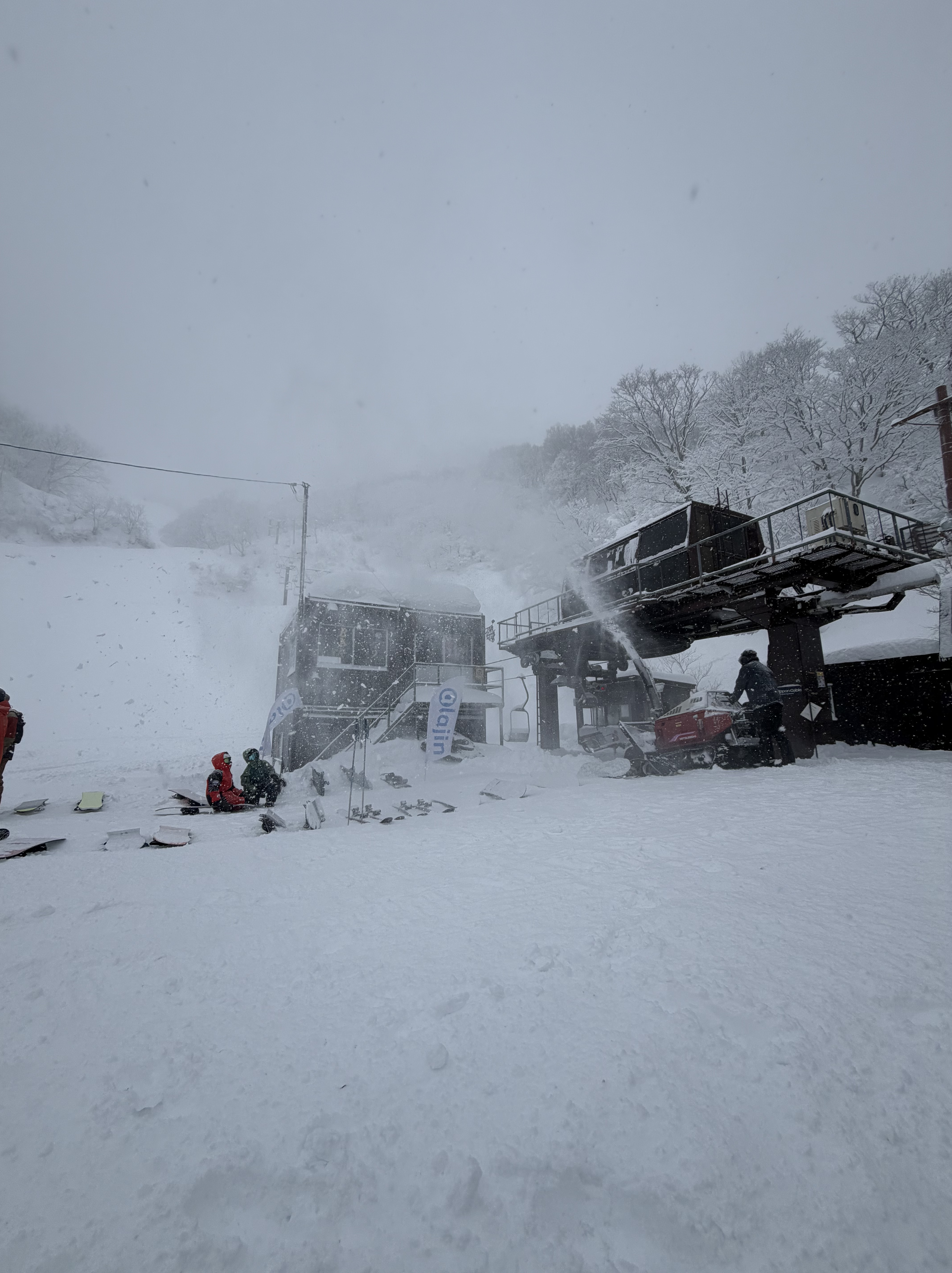
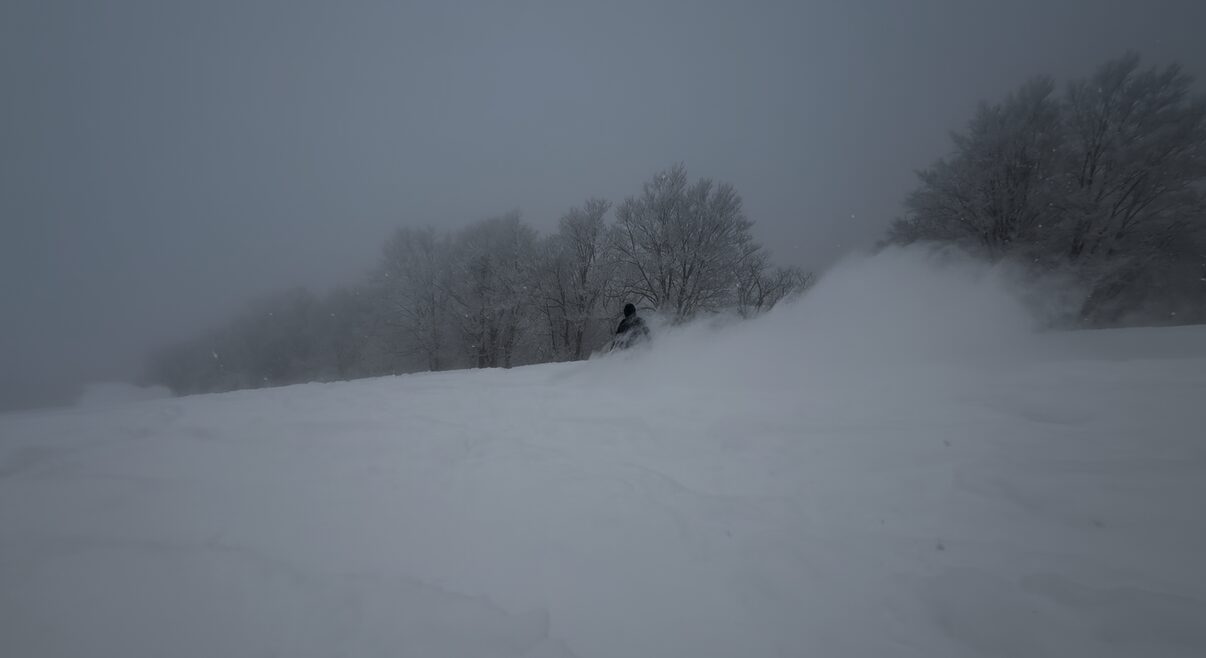
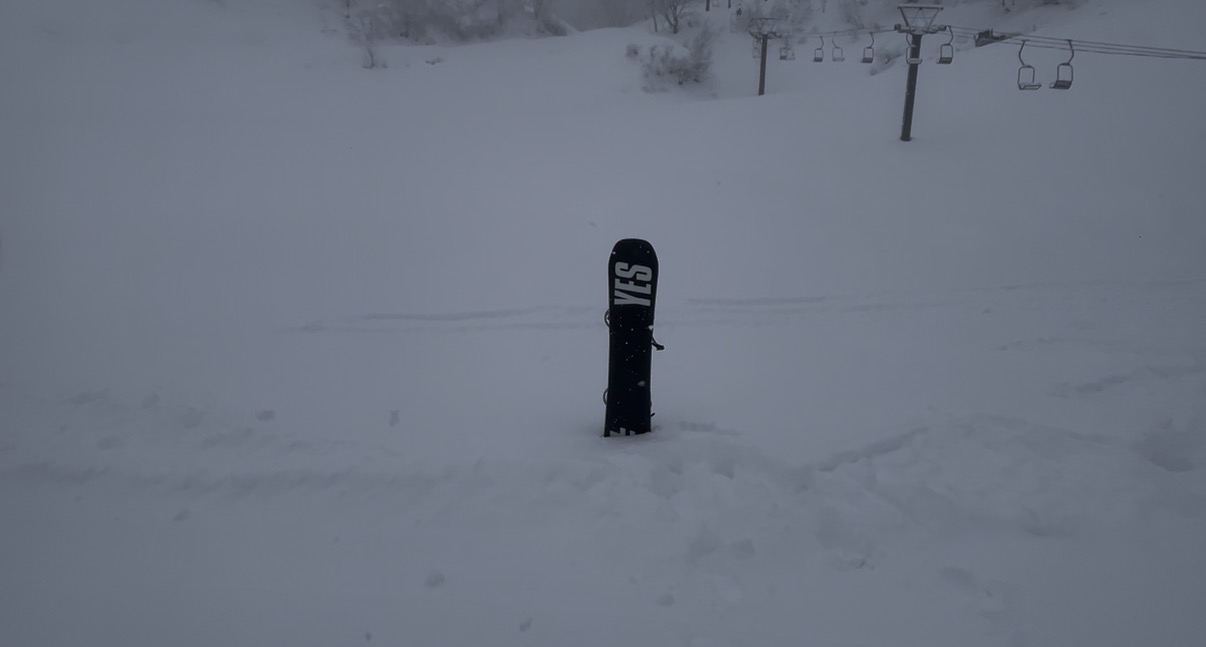
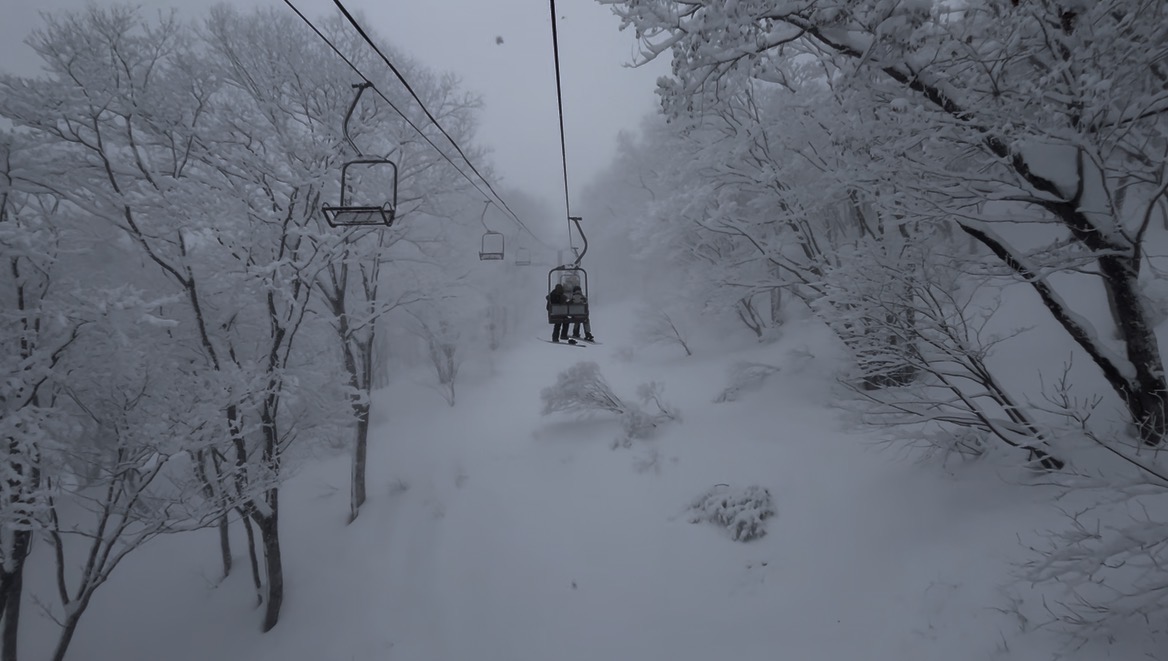
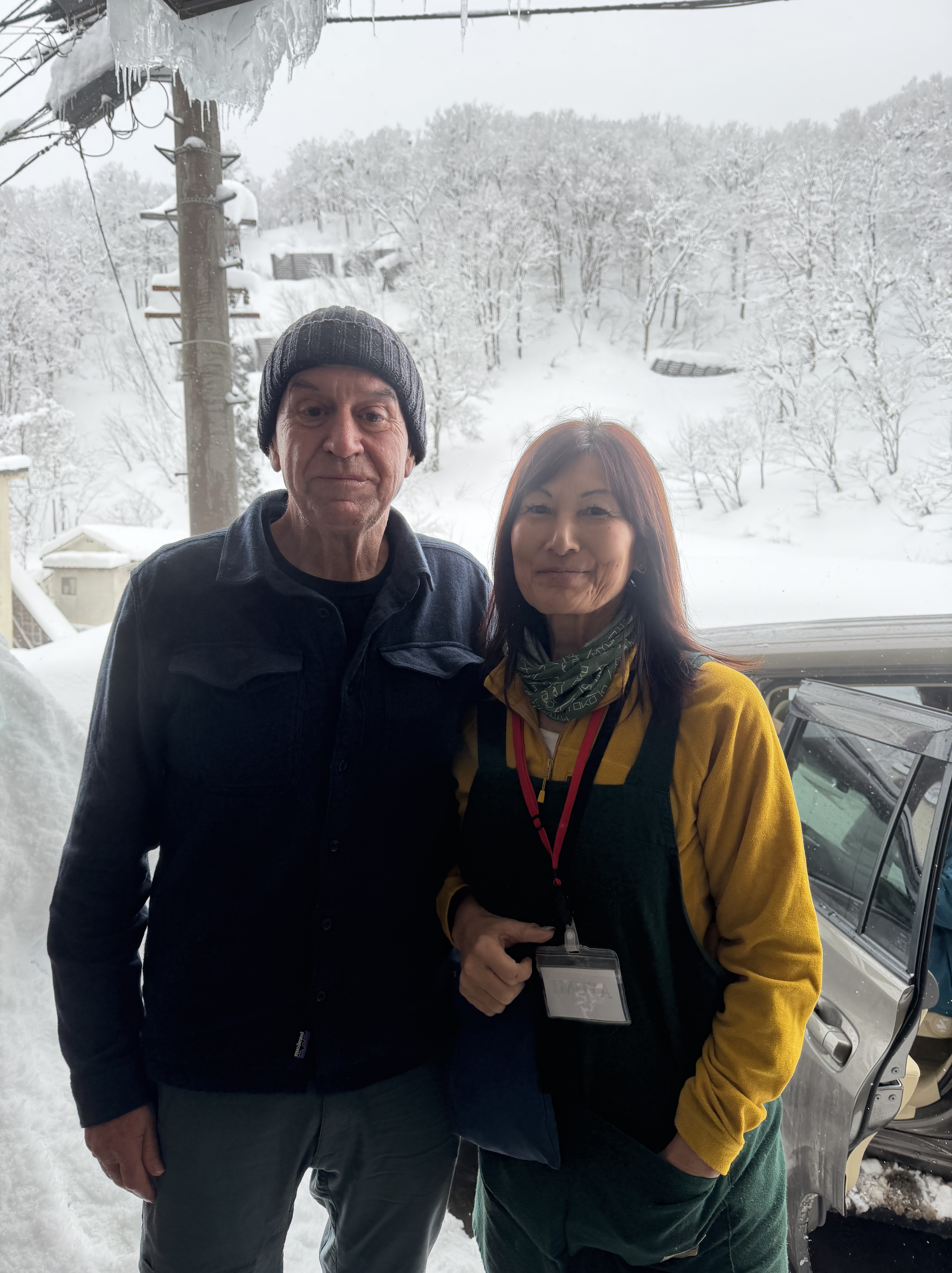
Before leaving Myoko, we made one final stop at Seki Onsen and stayed at Samabe Lodge run by Ayumi and Mark Cayton, who made the experience so memorable as they created such a great environment within the lodge, transforming it from just a place to stay into a home-like feel, developing a fantastic and fun energy. Japan saved the best until last. Overnight, the snow arrived, leaving us with waist-deep powder for our final morning on the mountain. Alongside the Japanese locals, we spent the morning shredding through some of the deepest snow of the trip. Every turn sent snow flying overhead. Every lap felt better than the last. Standing at the bottom after the final run, it felt like the perfect way to end an unforgettable few weeks in Japan.
How we did it:
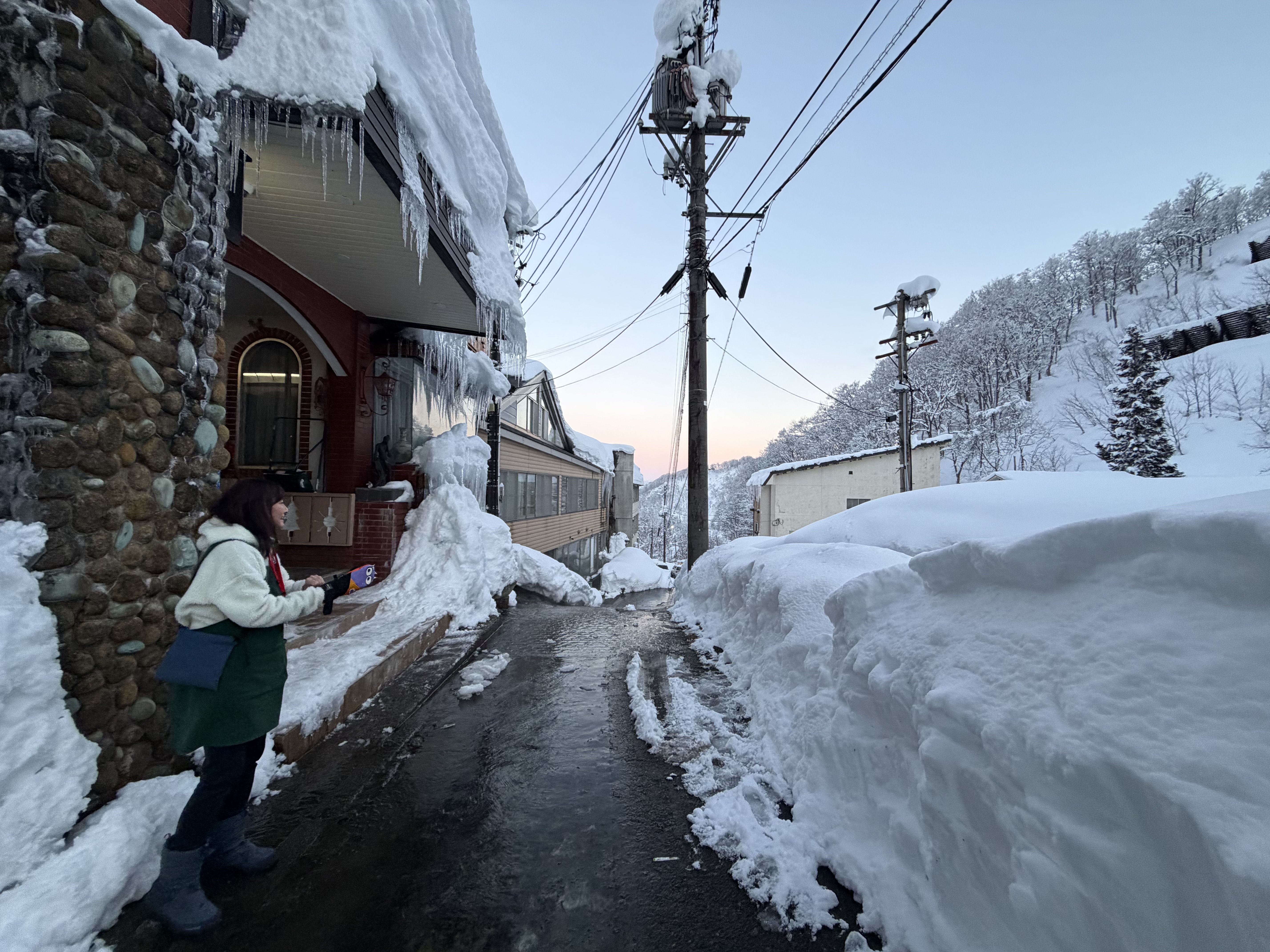
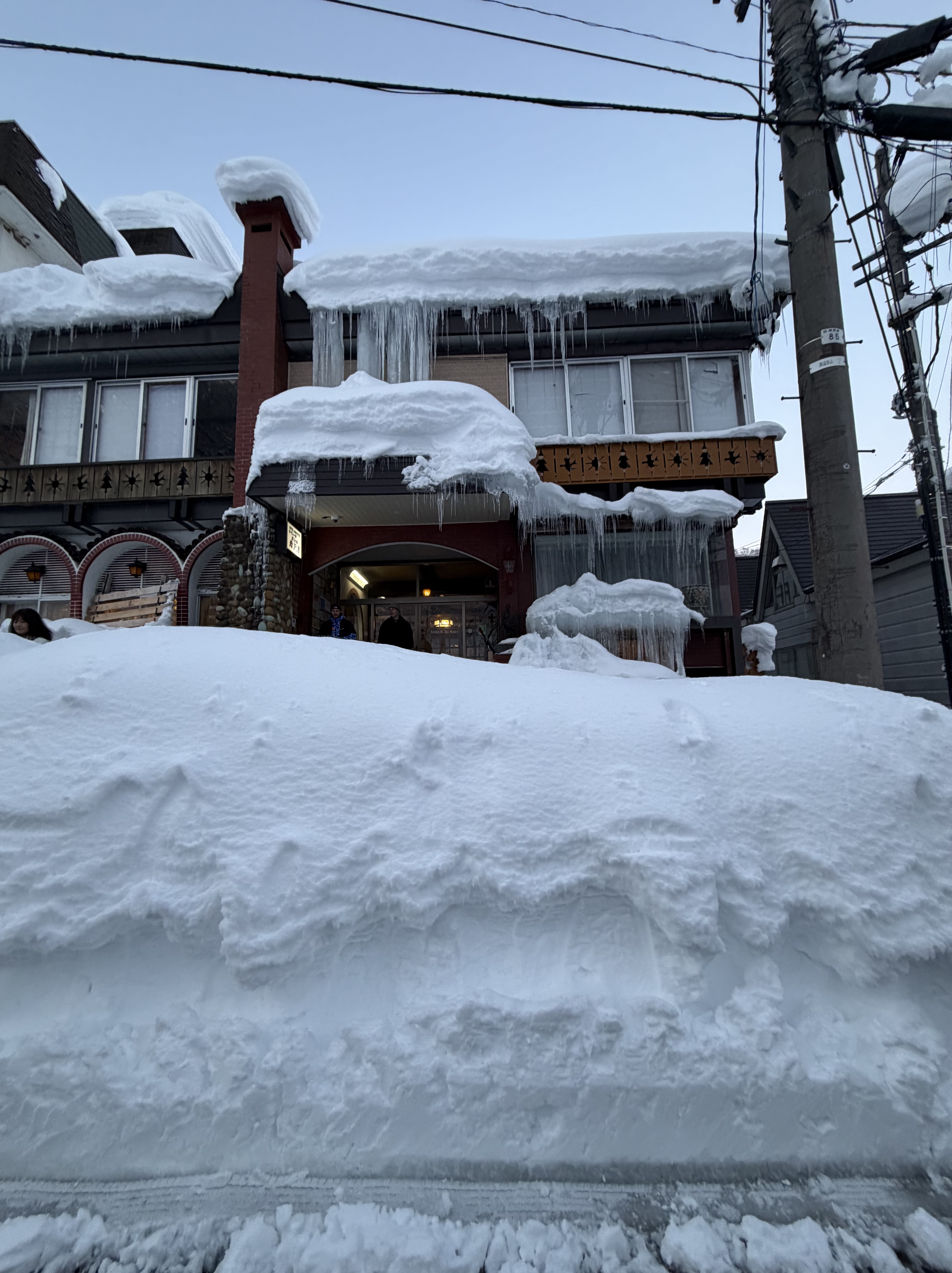
For the final part of our trip, we moved higher into the mountains and stayed at Samabe Lodge, a traditional Japanese lodge located above Seki Onsen. Hosting only a small number of guests at a time, the lodge offered a completely different experience to the larger resort hotels we had stayed in earlier in the trip.
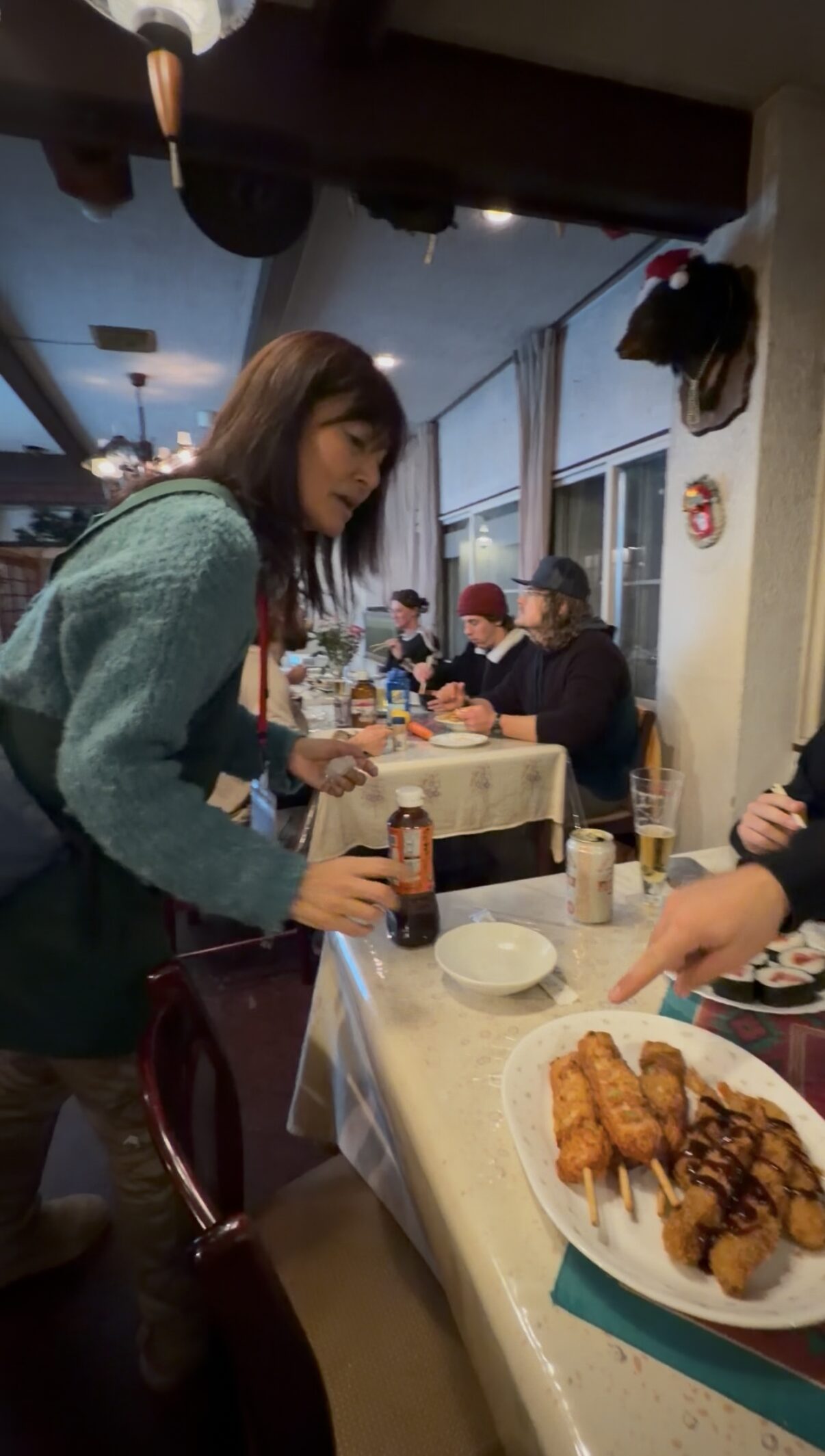
What made Samabe Lodge so memorable was the close-knit atmosphere. After a day on the mountain, everyone staying at the lodge would gather in the communal dining area and bar, sharing stories from the day, playing cards and watching ski and snowboard films projected onto the big screen. Whether you had spent the day scoring fresh powder at Seki Onsen or exploring nearby resorts, the conversations always seemed to continue late into the evening as everyone relived their best runs and good times.
The lodge also offered a unique level of flexibility. Guests could use the communal kitchen to prepare their own breakfast, lunch and dinner, creating a relaxed home-away-from-home feel. For those wanting an easier option, meals could also be purchased directly through the lodge. The combination of incredible snow, traditional accommodation and a welcoming social atmosphere made Samabe much more than just a place to stay.
We spent our time at Samabe riding Seki Onsen’s before also exploring nearby resorts such as Ikenotaira and Myoko Suginohara. The slower pace, authentic mountain atmosphere and deep snow made it the perfect way to finish our time in Japan.
Tokyo
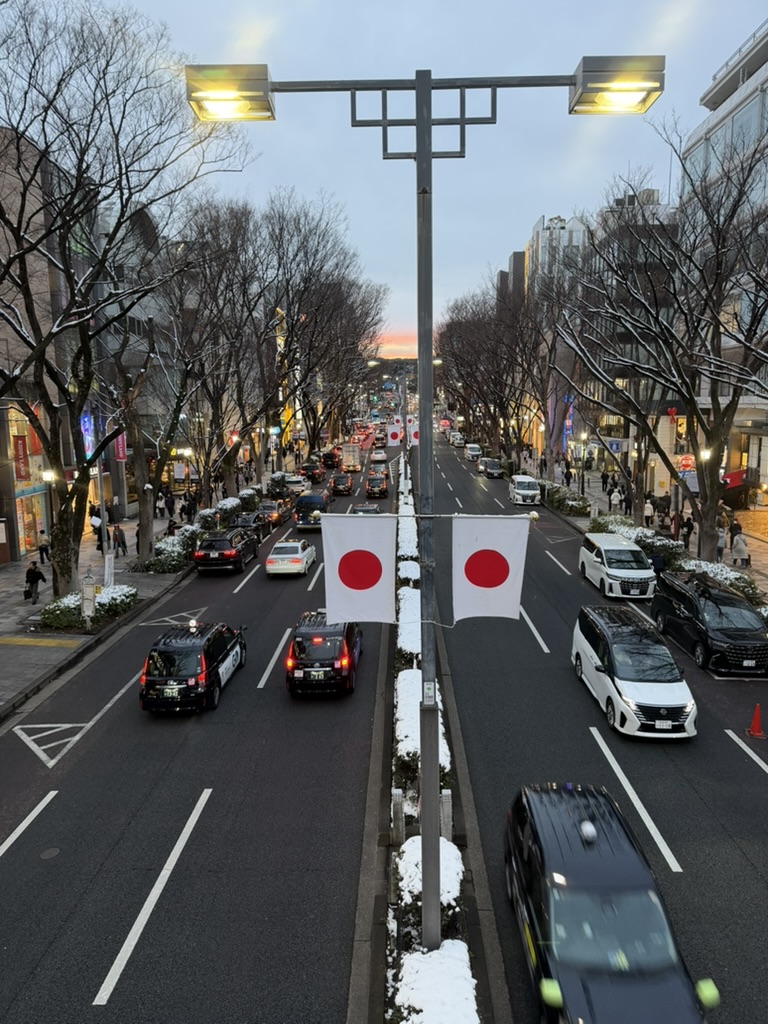
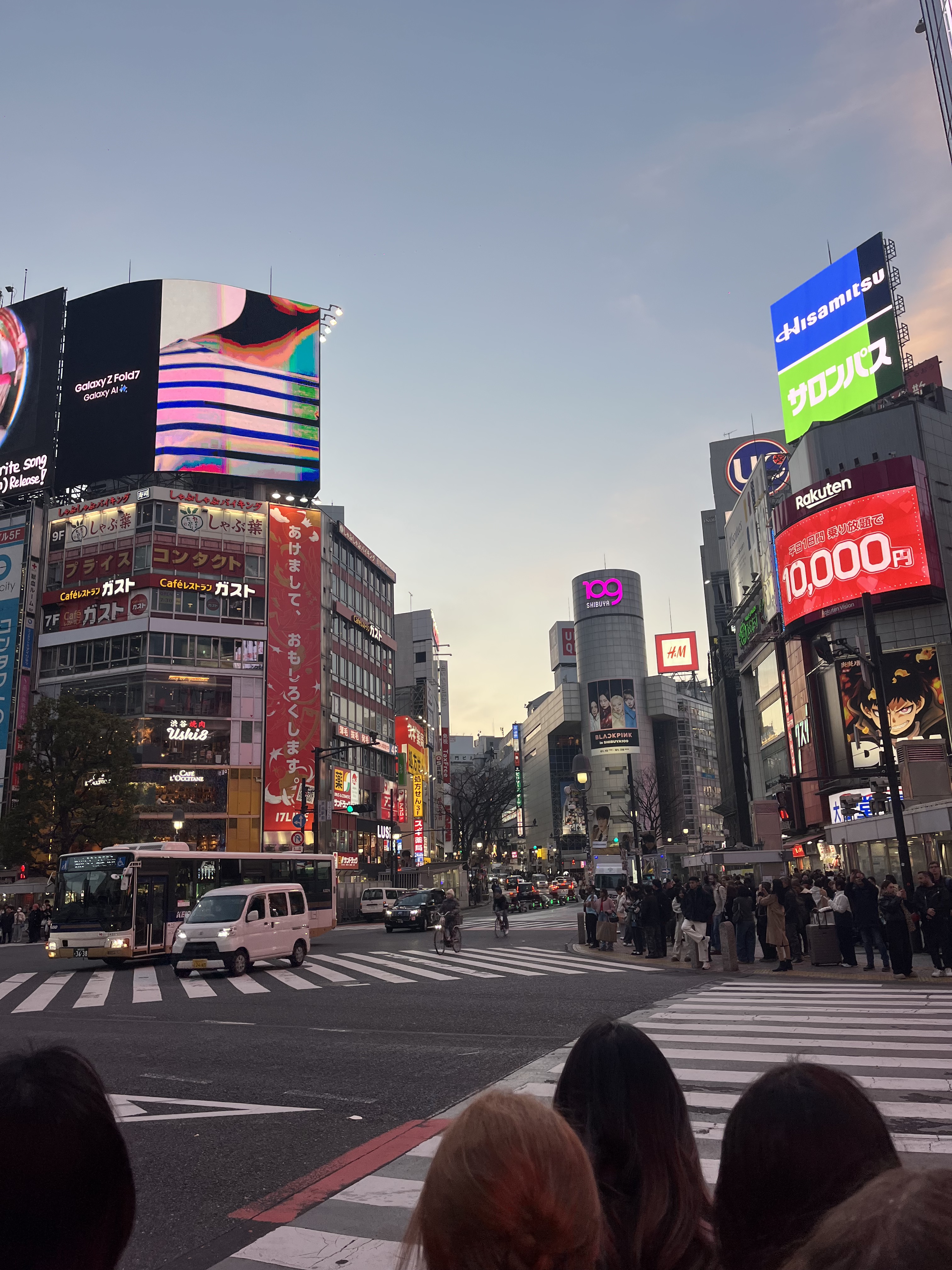
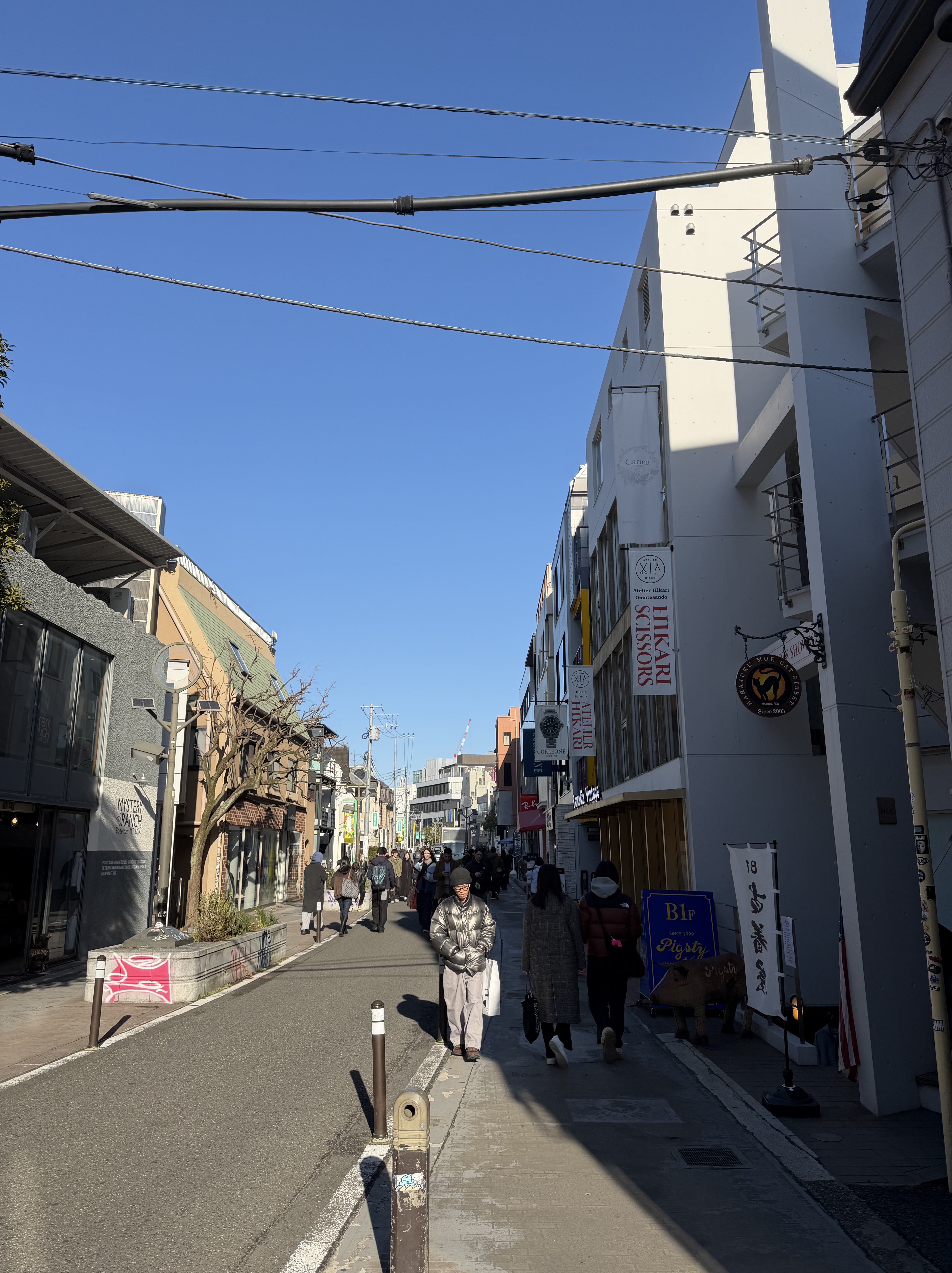
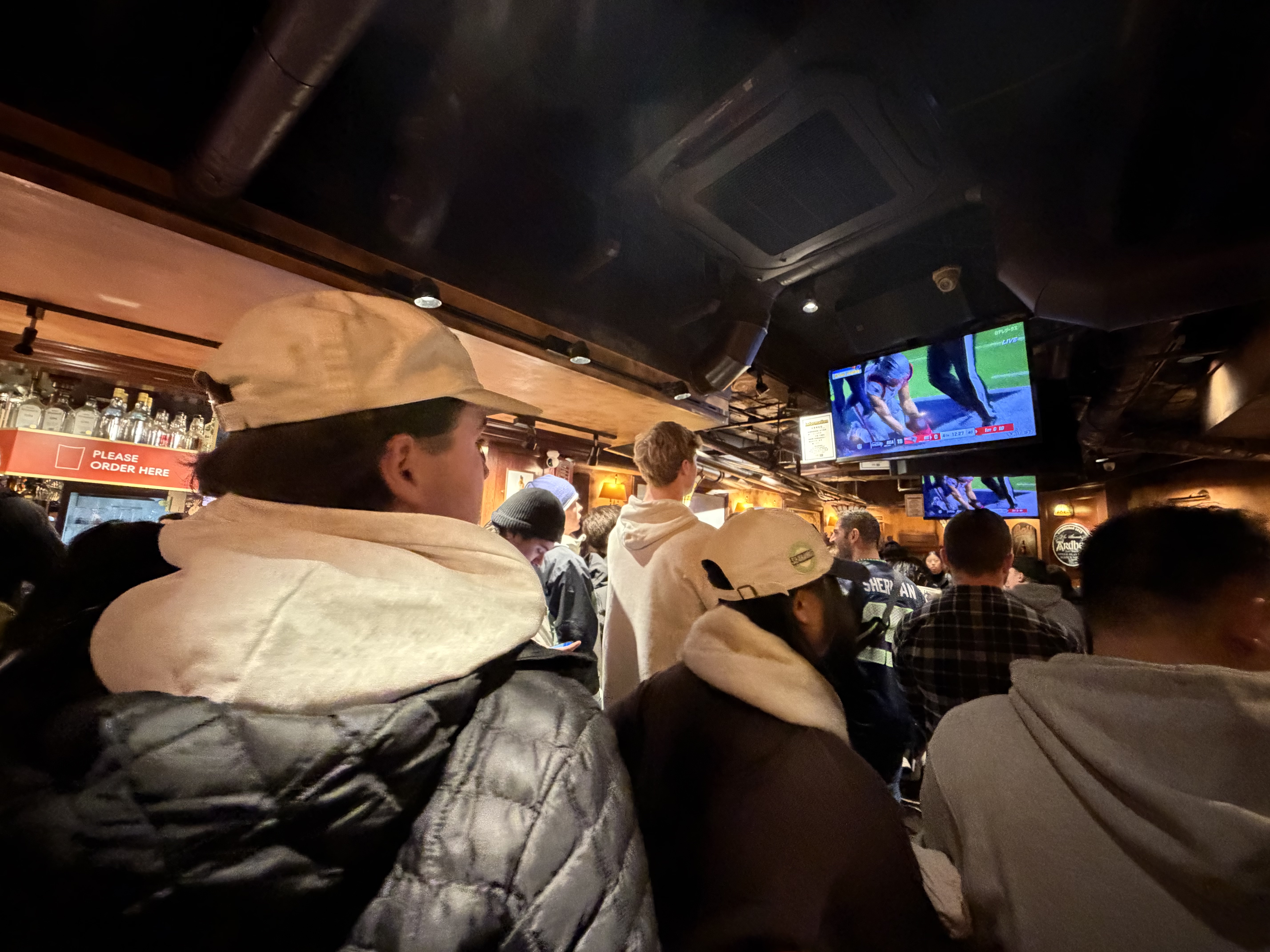
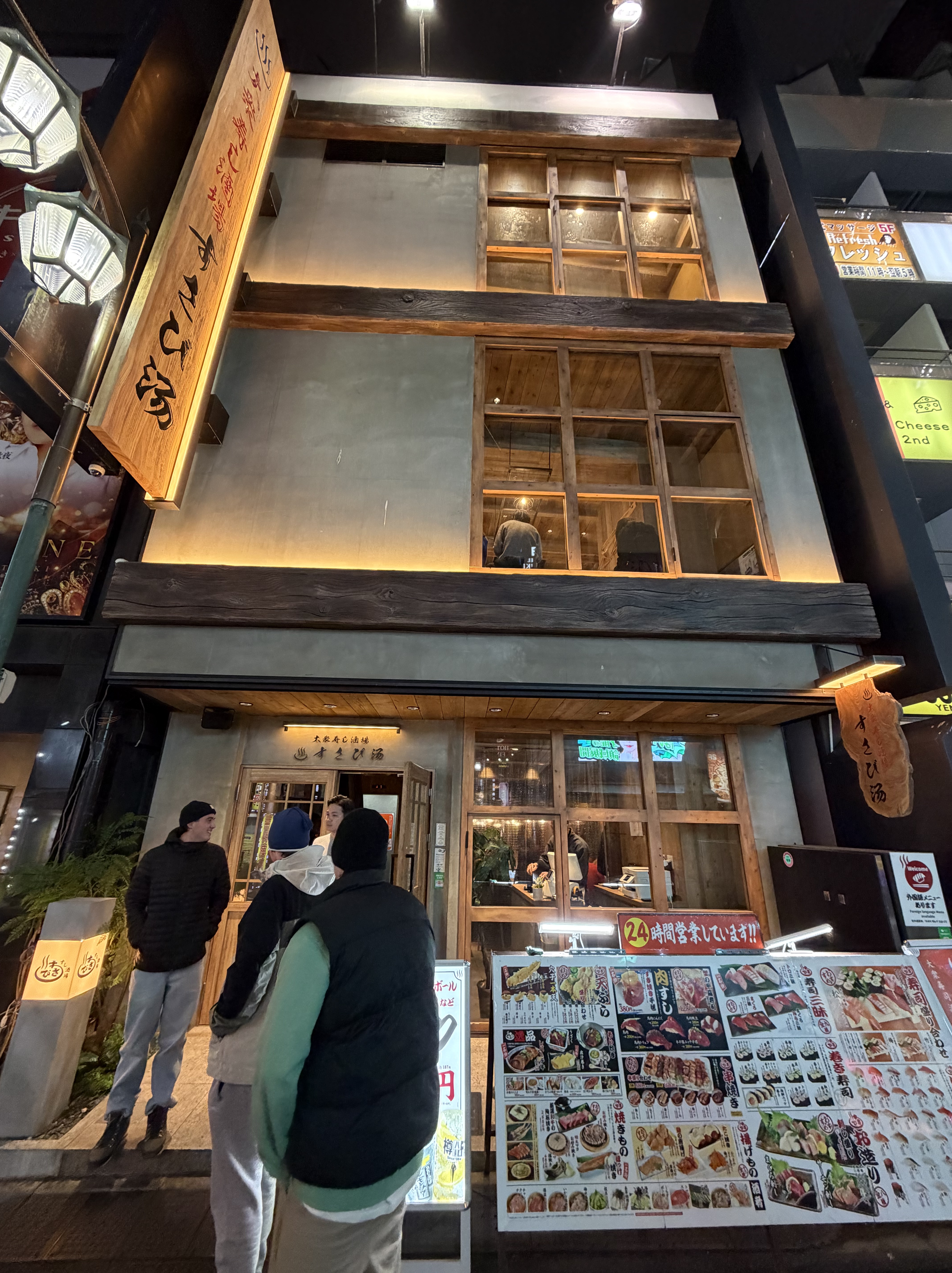
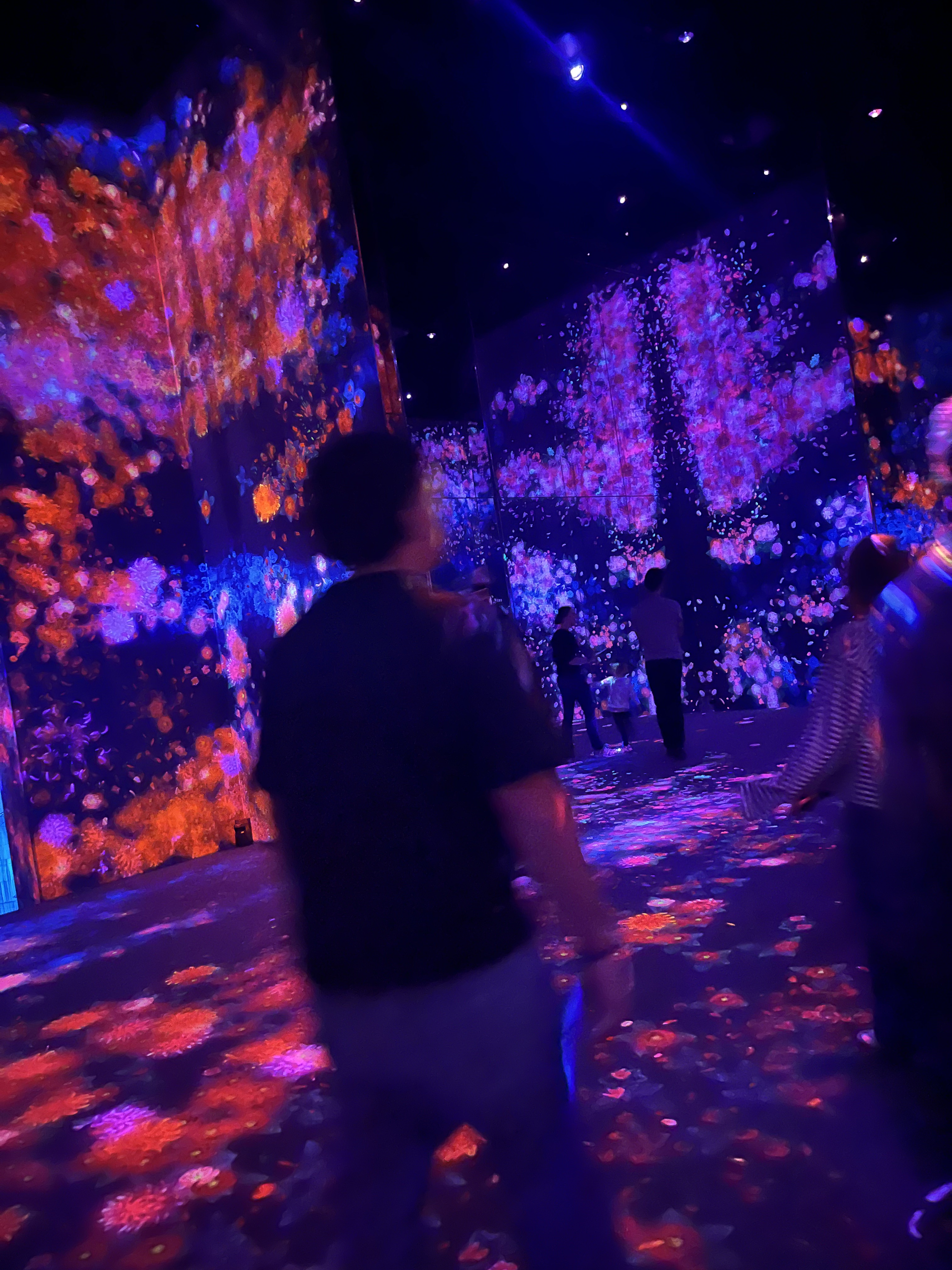
Before heading home, we spent our final two days exploring Tokyo.After weeks in mountain towns surrounded by snow, Tokyo felt like stepping into another world.For young travellers, Tokyo was just as exciting off the slopes, with world-famous fashion, buzzing nightlife, unique cafés, shopping precincts and countless activities that kept us busy long after the skiing finished.
The ultimate post school trip reflection:
Looking back, what made this trip so unique was experiencing so many different sides of Japan in a single winter. While we travelled between Aizu, Sapporo, Rusutsu and Myoko, the reality is that you could easily spend an entire trip in just one of these destinations and have a completely different experience.
Aizu offered something that felt increasingly rare in Japan. Quiet mountain towns, traditional culture, local food and uncrowded resorts where powder stashes seemed endless. It felt like discovering a side of Japan that many international visitors never see.
Rusutsu was all about the snow. Deep powder, endless tree runs and a mountain layout that seemed purpose-built for powder skiing and snowboarding. Every day revolved around chasing fresh deep tracks from first chair until the lifts stopped spinning.
Sapporo provided something entirely different again. A true winter city where snow is simply part of everyday life. From snow-covered streets and underground restaurants, it offered an opportunity to experience one of the world’s great snow cities.
Then there was Myoko. A vibrant ski town with multiple resorts, a lively village atmosphere and a social side that made every day on the mountain just as memorable off it. Between the different ski areas, local restaurants, bars and the community feel of places like Samabe Lodge, it became easy to understand why so many people return year after year.
Verdict:
While we were fortunate enough to experience all of these destinations in one trip, the biggest lesson was that there is no single way to do a Japanese snow holiday. Whether you’re chasing authentic local culture in Aizu, world-class powder in Rusutsu, a winter city experience in Sapporo or the vibrant mountain-town atmosphere of Myoko, each destination offers something completely different. The challenge isn’t deciding whether to go to Japan it’s deciding which version of Japan you want to experience first.